 how-to
Therapeutic Massage for Chronic Lower Back Pain
Last Updated: October 23, 2026
Quick Summary
Therapeutic massage for chronic lower back pain works by targeting muscle tension, connective tissue, and soft tissue restrictions that support your spine. It improves circulation, breaks up muscle knots and adhesions, and reduces pressure on compressed nerves. Results vary by individual and work best as part of a broader pain management plan alongside exercise and physical therapy.
- Swedish massage uses long, flowing strokes for relaxation, while deep-tissue massage applies intense pressure to reach deeper muscle fibers and break up scar tissue.
- For chronic lower back pain, 1-2 massage sessions per month is common, though frequency depends on how long relief lasts after each session.
- Temporary soreness within 24-48 hours after deep-tissue massage is normal, but sharp pain, numbness, or tingling requires immediate medical attention.
- A qualified massage therapist should be state-licensed, specialize in chronic pain treatment, and adjust pressure based on your feedback during sessions.
- Combining professional massage with daily stretching, regular exercise, posture correction, and heat therapy produces better long-term results than massage alone.
Table of Contents
- How Therapeutic Massage May Relieve Lower Back Pain
- Best Type of Massage for Lower Back Pain
- What to Expect from a Therapeutic Massage Session
- How Often to Get a Massage for Back Pain
- Can Massage Make Back Pain Worse? Safety and Red Flags
- Choosing a Qualified Massage Therapist
- Home Massage Techniques and Self-Care Between Sessions
- Massage as Part of Your Broader Chronic Pain Management
- Frequently Asked Questions
How Therapeutic Massage May Relieve Lower Back Pain
Therapeutic massage for chronic lower back pain works by targeting the muscles, connective tissue, and soft tissue that support your spine.
The way massage helps depends on what's causing your pain. Muscle knots and adhesions restrict movement and trap nerves. Therapeutic massage breaks these up.
At Gifted Hands Day Spa, our certified experts offer therapeutic massage. The key is understanding that massage works best as part of a broader pain management plan, not as a standalone cure.
That said, massage isn't a fix-all. Some people see significant relief. Others notice modest improvement.
Best Type of Massage for Lower Back Pain
Different massage techniques address lower back pain in different ways. The best choice depends on whether your pain comes from muscle tension, deep tissue knots, or restricted movement.
Swedish Massage for Relaxation and Circulation
Swedish massage uses long, flowing strokes to relax surface muscles and improve blood flow. This technique works well if your lower back pain stems from general muscle tension or stress.
Swedish massage therapists use these main techniques:
- Long gliding strokes along the spine and back muscles
- Kneading motions to release tight areas
- Gentle circular movements to ease tension
- Rhythmic tapping to stimulate blood flow
Sessions typically last 60 minutes. Most people feel more relaxed immediately after. The relief often lasts a few days to a week. Swedish massage pairs well with stretching and light exercise between sessions.
Deep-Tissue Massage for Muscle Knots and Adhesions
Deep-tissue massage targets the deeper layers of muscle and connective tissue. This technique is better suited for chronic lower back pain caused by muscle knots, adhesions, or old injuries.
Deep-tissue therapists apply slower, more intense pressure than Swedish massage. They focus on specific problem areas.
You might feel some soreness during or after a deep-tissue session. This is normal. The soreness usually fades within 24-48 hours.
Deep-tissue massage works best when paired with:
- Stretching and strengthening exercises
- Posture correction
- Regular activity to prevent stiffness
Many people with chronic lower back pain benefit from alternating Swedish and deep-tissue sessions. Start with Swedish to relax the area.
What to Expect from a Therapeutic Massage Session
Knowing what happens during a massage helps you prepare and get the most from your treatment.
Before your session:
- Arrive 10-15 minutes early to fill out health forms
- Tell your therapist about your lower back pain and any injuries
- Mention any areas that are extra tender or off-limits
- Discuss your goals, do you want relaxation or focused pain relief?
During the massage:
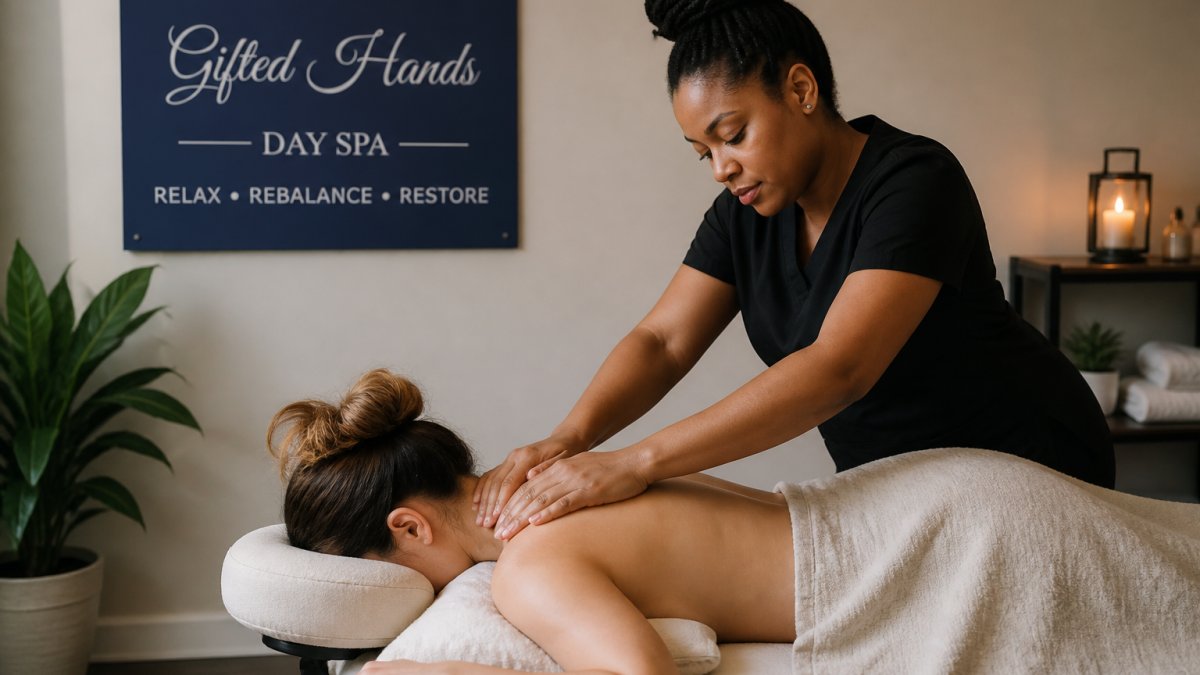
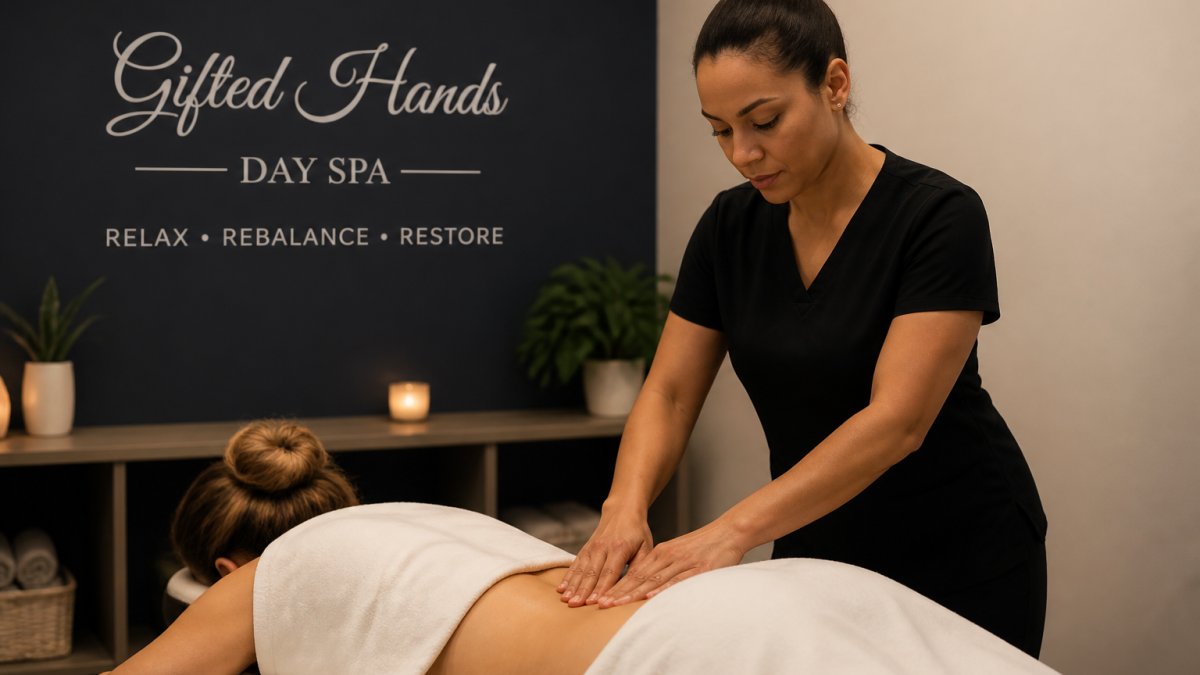
- You'll lie face-down on a padded table in a warm, quiet room
- The therapist drapes you with a sheet for modesty and warmth
- They start with gentle strokes to warm up muscles
- Pressure gradually increases based on your comfort level
- A typical session lasts 60-90 minutes
- You can speak up anytime if pressure is too much
After your session:
- Drink plenty of water to flush out toxins released during massage
- Rest for a few hours if possible
- Avoid strenuous activity for the rest of the day
- Light stretching is fine
- Soreness or mild achiness can occur, this is normal
Most people feel relaxed and loose after a massage. Some notice immediate pain relief. Others feel the benefit over the next few days as muscles continue to relax and inflammation decreases.
How Often to Get a Massage for Back Pain
Frequency depends on how severe your pain is and how your body responds to treatment.
For acute lower back pain (recent injury or flare-up):
- Start with 1-2 sessions per week
- Continue for 2-4 weeks
- Then taper to maintenance sessions
For chronic lower back pain:
- 1-2 sessions per month is common
- Some people benefit from weekly sessions
- Others do well with monthly visits
Finding your rhythm:
- Track how long relief lasts after each session
- If relief lasts 5 days, schedule sessions 5 days apart
- If relief lasts 2 weeks, monthly sessions work
- Adjust based on how you feel
Regular massage prevents pain from worsening. Skipping sessions often means tension rebuilds and pain returns. Consistency matters more than intensity.
Many clients find that combining massage with home stretches and exercise extends relief between sessions. This reduces how often you need professional massage.
Can Massage Make Back Pain Worse? Safety and Red Flags
Massage is generally safe, but certain conditions need medical attention first.
Stop massage and see a doctor if you have:
- Severe, sudden back pain with no clear cause
- Pain paired with numbness or weakness in your legs
- Loss of bladder or bowel control
- Fever or unexplained weight loss
- A history of cancer or osteoporosis
- Recent spinal surgery (wait until cleared by your doctor) Persistent discomfort that does not meet these urgent criteria may eventually be managed through the consistent use of home back massagers.
These can signal serious conditions like nerve compression, fractures, or infection. Massage won't help and could make things worse.
Temporary soreness is normal. Worsening pain is not.
Some people feel sore after their first deep-tissue massage. This usually goes away within 24-48 hours. If soreness lasts longer or pain gets worse, tell your therapist. You might need gentler pressure or a different technique.
Massage can temporarily increase pain if:
- Pressure is too deep too fast
- The therapist works on an acute injury
- You're dehydrated
- You have an undiagnosed condition
Always communicate with your therapist. A good therapist adjusts pressure and technique based on your feedback. If a therapist ignores your concerns, find someone else.
Choosing a Qualified Massage Therapist
Not all massage therapists have the same training or credentials. Choosing the right one matters for your safety and results.
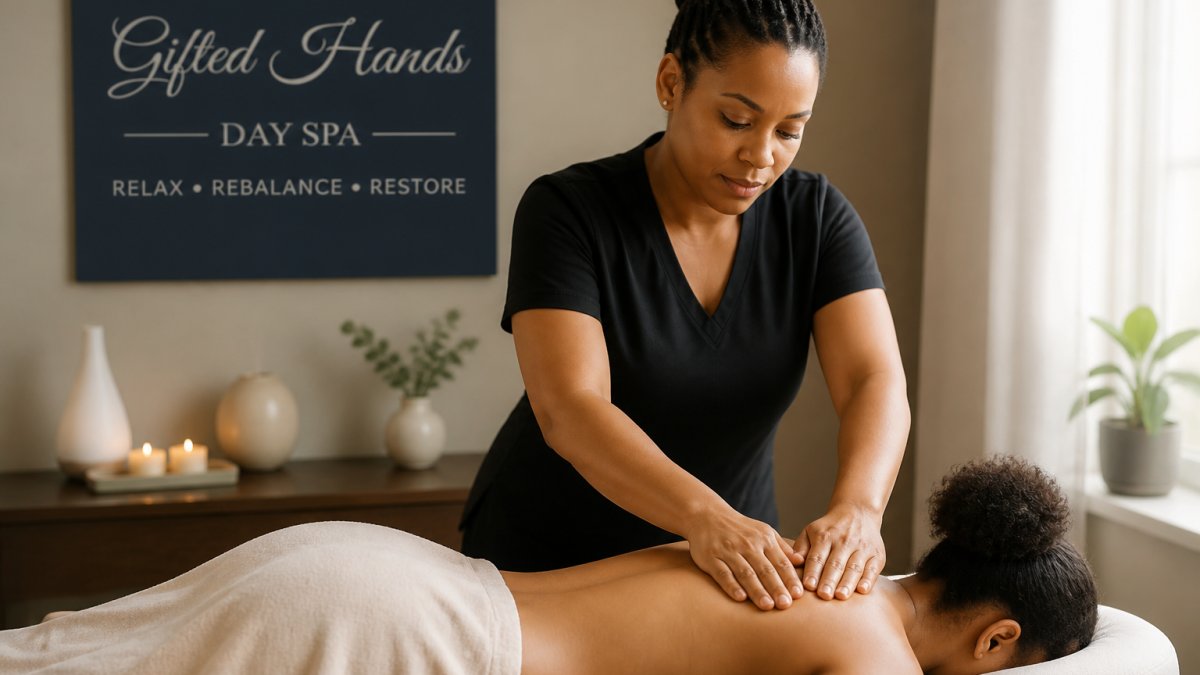
What to look for:
A qualified massage therapist should be licensed in your state. Licensing requirements vary, but most states require 500-1,000 hours of training (Regulated States).
Check if they specialize in therapeutic massage for chronic pain. General relaxation massage is different from pain-focused treatment.
Read reviews from other chronic pain patients. Look for mentions of:
- Listening to client concerns
- Adjusting pressure based on feedback
- Knowledge of different techniques
- Professional, clean environment
- Ability to explain what they're doing
Questions to ask before your first appointment:
- Are you licensed? (Ask for license number if needed.)
- How many years have you worked with chronic lower back pain?
- What techniques do you typically use?
- How do you decide between Swedish and deep-tissue massage?
- Can you work with my doctor or physical therapist?
- What's your cancellation policy?
At Gifted Hands Day Spa, our massage therapists are certified and trained in therapeutic techniques.
A good therapist makes you feel heard and respected. If you don't feel comfortable with someone, find another therapist. The therapeutic relationship matters.
Home Massage Techniques and Self-Care Between Sessions
You don't need a professional to get some relief between sessions. Simple self-massage and partner-assisted massage can help maintain the benefits of professional treatment.
Self-massage with a foam roller:
A foam roller targets tight muscles along your spine and lower back. Use it 2-3 times per week for 1-2 minutes per area.
- Lie on your back with the foam roller under your lower back
- Support your head with your hands
- Gently roll up and down, stopping on tender spots
- Hold pressure on tight areas for 15-30 seconds
- Breathe deeply, tension releases with exhales
- Avoid rolling directly on your spine
Hand self-massage:
Use your fingers or knuckles to release tension in your lower back.
- Sit or stand comfortably
- Use your thumbs to apply pressure to tight muscles beside your spine
- Make small circular motions
- Work from your mid-back down to your lower back
- Spend 1-2 minutes on areas that feel tight
- Press harder as muscles warm up
Partner-assisted massage:
If you have a partner, they can help with deeper pressure.
- Lie face-down on a comfortable surface
- Have your partner use their palms or forearms to apply steady pressure
- They should move slowly along your back muscles
- Start with light pressure and increase gradually
- Communicate about what feels good
- 10-15 minutes is enough for maintenance
Between-session habits that extend relief:
- Stretch your lower back and hip flexors daily (hold 30 seconds, 2-3 times each)
- Take short walks to keep muscles loose
- Adjust your workspace if you sit at a desk
- Use a lumbar support pillow when sitting
- Apply heat before stretching to warm muscles
- Ice after activity if inflammation is high
These habits prevent tension from rebuilding between professional sessions. They're especially important for desk workers who sit in one position all day.
Massage as Part of Your Broader Chronic Pain Management
What pairs well with massage:
Physical therapy strengthens muscles that support your spine. Massage releases tension.
Exercise keeps muscles flexible and strong. Regular activity prevents pain from worsening.
Posture correction prevents future pain. Poor posture creates muscle tension.
Heat therapy warms muscles before massage or stretching. Cold therapy reduces inflammation after activity.
Medical care rules out serious conditions.
Working with your healthcare team:
Tell your doctor you're getting massage.
Share information between your massage therapist and physical therapist.
Track your progress.
Realistic expectations matter.
Chronic lower back pain affects your daily life and limits what you can do.
Frequently Asked Questions
Can therapeutic massage help with chronic lower back pain?
Yes, therapeutic massage can provide relief for chronic lower back pain by reducing muscle tension, improving circulation, and promoting relaxation. Massage addresses soft-tissue discomfort and muscle knots that contribute to persistent back pain. However, results vary by individual and depend on the underlying cause of your pain. If your back pain stems from a serious condition, massage works best alongside professional medical assessment and other treatment options.
How often should you get a massage for chronic lower back pain?
Frequency depends on your pain severity and treatment goals. Many people benefit from weekly or bi-weekly sessions during acute flare-ups, then transition to monthly maintenance sessions once symptoms improve. Your massage therapist can recommend a schedule based on your specific condition and response to treatment. Consistency matters more than occasional visits when managing chronic pain.
Can massage make lower back pain worse?
Massage can occasionally cause temporary soreness or increased pain if applied too aggressively or if an underlying condition like a fracture, severe nerve compression, or active inflammation is present. This is why screening for red flags, such as numbness, weakness, or pain radiating down the leg, is essential before your session. Always communicate your pain level and any worsening symptoms to your therapist immediately.
What type of massage is best for chronic back pain?
Deep-tissue massage and Swedish massage are both effective for chronic lower back pain, each serving different needs. Deep-tissue targets muscle knots and adhesions in deeper layers, making it ideal for persistent tension. Swedish massage uses back-and-forth strokes to improve circulation and promote relaxation, which can reduce overall muscle tension. Your therapist can combine techniques or recommend the best approach based on your symptoms and preferences.