
 how-to
Book Therapeutic Massage in Newark: A Complete Guide
Table of Contents
- Why Therapeutic Massage Matters for Desk Workers and Active Individuals
- How to Choose a Massage Therapist: Verifying Credentials and Expertise
- Massage Prices and Session Length: Understanding Your Options
- What to Expect During a Therapeutic Massage Session
- Massage Intake Questions and Health History: Preparing for Your Appointment
- Step-by-Step Booking Process for Therapeutic Massage
- Aftercare and Maximizing the Benefits of Your Massage
- Frequently Asked Questions
Last Updated: October 19, 2026
Why Therapeutic Massage Matters for Desk Workers and Active Individuals
If you spend eight hours a day hunched over a keyboard, your neck and shoulders probably feel like concrete. Desk work creates tension that doesn't resolve on its own: your muscles adapt to poor posture, tighten, and stay tight. This is where therapeutic massage becomes essential, not optional.
Therapeutic massage is a clinical treatment that targets muscle tension, improves circulation, and addresses the physical consequences of repetitive strain. Unlike relaxation massage, therapeutic massage applies specific pressure and techniques to release muscle knots, improve range of motion, and reduce pain from conditions like carpal tunnel syndrome, fibromyalgia, and chronic neck tension.
At Gifted Hands Day Spa, we work with professionals and active individuals who understand that their bodies need intentional care. Whether you're recovering from an athletic injury or managing years of desk-related tension, therapeutic massage isn't a luxury, it's maintenance. Your muscles respond to consistent, skilled treatment. The results compound over time.
The key difference between a therapeutic massage and a generic spa massage is precision. A therapist trained in deep tissue work understands anatomy and applies pressure strategically to problem areas. You leave feeling different, not just relaxed.
How to Choose a Massage Therapist: Verifying Credentials and Expertise
Before you book therapeutic massage in newark, verify that your therapist actually knows what they're doing. This matters more than you might think.
A licensed massage therapist in the United States must complete a minimum of 500-1,000 hours of formal training (requirements vary by state) and should hold certification from the National Certification Board for Therapeutic Massage and Bodywork (NCBTMB) or an equivalent state board. That's the difference between someone trained in anatomy and muscle physiology versus someone who took a weekend workshop.
Ask specific questions before booking:
- What certifications do you hold?
- How many years of experience do you have with deep tissue work?
- Have you worked with clients who have my specific condition?
- What's your approach to customizing a session for individual needs?
A therapist worth paying for will answer these questions directly and ask about your health history, current pain points, and goals. If they seem generic or dismissive, keep looking.
Gifted Hands Day Spa employs certified massage therapists who specialize in therapeutic and deep tissue work. Our practitioners understand the specific needs of desk workers, athletes, and individuals managing chronic pain. We don't treat every client the same because every client's body is different.
Massage Prices and Session Length: Understanding Your Options
Session length matters because different issues require different amounts of time. A 30-minute session works for maintenance or one specific area; 60 minutes is standard for multiple problem areas or deeper muscle work; 90 minutes allows comprehensive full-body treatment without rushing.
The longer the session, the more time your therapist has to assess your body and apply sustained pressure where it's needed. Rushed sessions feel good in the moment but don't create lasting change.
When booking therapeutic massage in newark, consider your goal. If your shoulders are the only problem area, 60 minutes is usually sufficient. If you have neck, shoulder, and lower back tension, 90 minutes lets your therapist address all three without cutting corners.
What Therapeutic Massage Typically Costs
Pricing depends on session length, therapist experience, and the specific techniques used.
For current pricing at Gifted Hands Day Spa, visit our website or call for a quote tailored to your situation.
How to Compare Prices Without Getting Fooled
A lower headline price is not always the better value. Compare these factors side by side before you book:
- Hands-on time versus total appointment time. A 60-minute booking that includes 10-15 minutes of intake and dressing may deliver only 45-50 minutes of actual massage. Ask what the hands-on time is.
- Therapist credentials. A licensed therapist with specialty training in deep tissue or orthopedic work may charge more per hour but resolve the issue in fewer sessions.
- Session length fit. Booking 30 minutes for a full-body complaint usually means rushed work. Paying for 60 or 90 minutes is often the better value per problem area addressed.
- Package terms.
A practical rule of thumb: budget for a series of three to four sessions rather than a single appointment. Chronic tension rarely resolves in one visit, and most practitioners find that a short series produces noticeably better results than one longer session.
What to Expect During a Therapeutic Massage Session
Plan to spend 10-15 minutes on intake and consultation before the massage begins. Your therapist will ask about your health history, current pain, areas of concern, and goals. This isn't small talk, it's essential information that shapes your session.
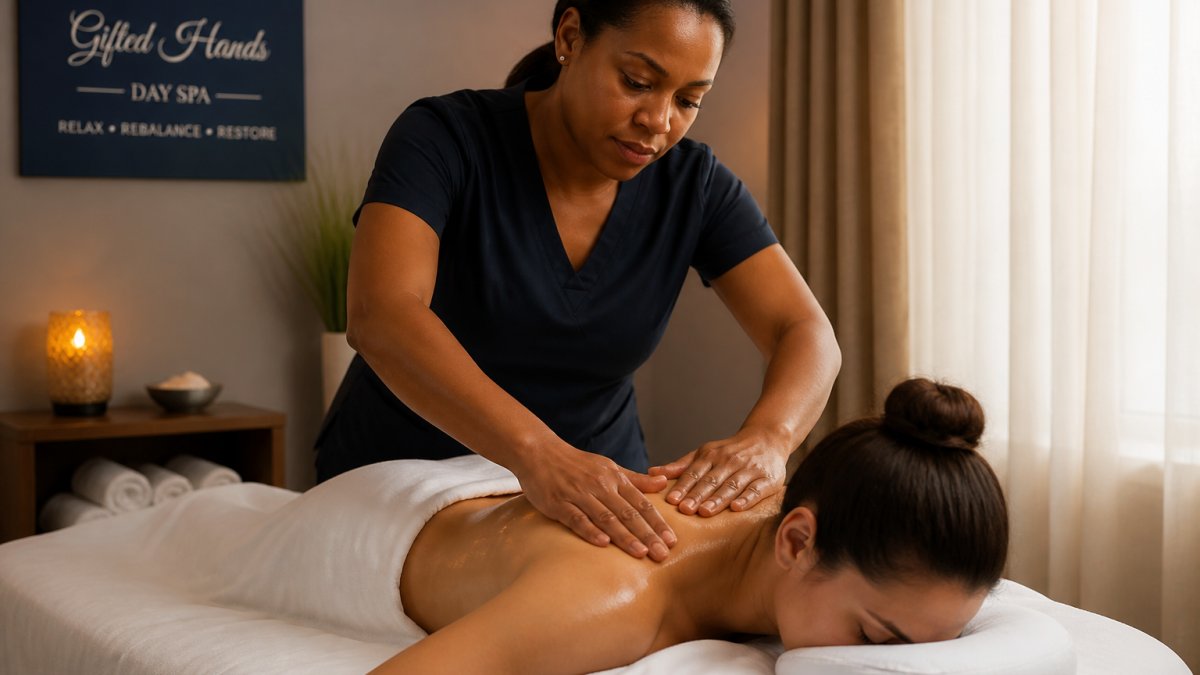
During the massage, your therapist will use their hands, forearms, and sometimes elbows to apply pressure to tight muscles. Deep tissue work can feel intense but shouldn't be painful. You should feel a "good hurt," a sensation of release as tension works out.
A therapeutic massage session typically includes 50-55 minutes of actual massage time. Your therapist may use sustained pressure on trigger points, slow stripping motions along muscle fibers, or cross-friction work, adjusting pressure based on your feedback.
Expect to feel relaxed afterward, but possibly sore for 24-48 hours as your muscles respond. This is normal. Drink water, move gently, and avoid intense exercise the day of your session.
Massage Intake Questions and Health History: Preparing for Your Appointment
Come prepared with accurate information about your health. Your therapist needs to know about injuries, surgeries, medications, and any conditions that might affect how they work with your body.
Bring this information to your appointment:
- Current medications and supplements
- Any surgeries or injuries, especially recent ones
- Chronic conditions (arthritis, fibromyalgia, diabetes, heart conditions)
- Skin sensitivities or allergies
- Areas of pain or tension
- What you want to accomplish in this session
Your therapist may ask about repetitive strain injuries, work posture, exercise habits, and stress levels to understand why your muscles are tight and address the root cause, not just the symptom.
If you have a condition like fibromyalgia, carpal tunnel syndrome, or arthritis, mention it explicitly. Your therapist will adjust pressure, duration, and technique accordingly. Some conditions require gentler work; others benefit from deeper pressure. They need to know.
Step-by-Step Booking Process for Therapeutic Massage
Booking therapeutic massage in newark is straightforward when you follow a clear sequence. This walkthrough covers how to compare providers, verify qualifications, and confirm coverage so you book the right therapist the first time.
Step 2: Shortlist two or three providers. Compare hands-on time, therapist credentials, specialty experience, reviews mentioning your specific issue, and availability of same-day or evening appointments.
Step 3: Verify the therapist's qualifications. Ask directly: Are you licensed in this state? What training do you have in deep tissue or the modality I need?
Step 4: Confirm availability and coverage. Ask which appointment times are open this week and whether same-day slots exist.
Step 5: Provide your health history. Share medications, recent surgeries, chronic conditions, and areas of pain before the appointment. This lets the therapist customize pressure and technique safely and saves time at check-in.
Step 7: Book your next appointment before you leave. Many clients schedule the next session at checkout, especially when addressing ongoing tension. Consistency is what produces cumulative results.
Before you book, run this quick checklist: license verified, specialty experience confirmed, hands-on time clarified, cancellation policy understood, and coverage or travel details settled. Five minutes of checking prevents a wasted appointment.
Aftercare and Maximizing the Benefits of Your Massage
What you do after your massage matters as much as the session itself, determining whether the benefits last days or weeks.
Immediately after your session:
- Drink plenty of water. Your muscles release toxins and metabolic waste during massage; hydration helps flush them out.
- Rest for at least a few hours if possible. Avoid intense exercise, heavy lifting, or strenuous activity for 24 hours.
- Move gently. Light stretching, walking, or slow movement helps your body integrate the work.
- Apply heat if you're sore. A warm bath or heating pad can ease soreness as your muscles adjust.
In the days following your massage:
- Continue hydrating. Drink more water than usual for 2-3 days.
- Stretch gently. Focus on areas your therapist worked on. Hold stretches for 30 seconds without bouncing.
- Notice your posture. If desk work created your tension, poor posture will recreate it. Sit with your shoulders back, screen at eye level, and take frequent breaks.
- Schedule your next appointment. For chronic tension, monthly or bi-weekly sessions create lasting results. Single sessions feel great but don't solve underlying problems.
Many clients experience mild soreness 24-48 hours after their first deep tissue massage. If soreness is severe or lasts more than 48 hours, contact your therapist.
According to the American Massage Therapy Association, regular therapeutic massage improves flexibility, reduces muscle tension, and supports recovery from repetitive strain injuries. Consistency compounds these benefits over time.
The real value of therapeutic massage emerges when you commit to a regular schedule. One session helps; four sessions over two months transforms how your body feels and functions. Your therapist becomes familiar with your patterns and refines their approach based on how your body responds.
Chronic tension from desk work, athletic strain, or conditions like fibromyalgia responds best to professional therapeutic massage combined with intentional self-care. Start with a 60-minute session and experience how targeted, skilled massage work can shift what felt permanent. Research on massage therapy benefits consistently shows that professional treatment creates measurable improvements in pain, range of motion, and muscle function. Contact Gifted Hands Day Spa to book your appointment today and take control of your recovery.
| Booking Element | What to Know | Action |
|---|---|---|
| Session Length | 30 min for single areas, 60 min standard, 90 min for comprehensive work | Choose based on your needs |
| Therapist Credentials | Look for NCBTMB certification or state board licensing | Verify before booking |
| Health History | Bring medication list, injury history, current conditions | Provide during intake |
| Aftercare | Hydrate, rest 24 hours, gentle stretching, heat if sore | Follow post-session guidance |
| Scheduling | Book next appointment before leaving | Commit to consistency |
Frequently Asked Questions
What should I look for when booking a therapeutic massage?
Verify that your massage therapist holds current certification from an accredited program and is licensed in your state. Ask about their specialization, whether they focus on deep tissue, therapeutic, or sports massage. Check customer reviews for feedback on their professionalism and ability to address specific issues like neck tension or muscle soreness. Confirm they offer a consultation before your session to discuss your health history and treatment goals.
How long should a therapeutic massage session be?
Sessions typically range from 30 to 90 minutes. A 30-minute session works well for targeted relief on one area, such as the neck and shoulders. A 60-minute session allows the therapist to address multiple problem areas and provide deeper therapeutic work. A 90-minute session offers comprehensive full-body treatment and is ideal for chronic tension or first-time clients who want thorough assessment and customized care.
What should I tell a massage therapist before a session?
Disclose any injuries, chronic pain conditions, surgeries, or health concerns during your intake. Mention specific areas of tension or discomfort, such as lower back pain or carpal tunnel syndrome. Tell your therapist about any medications you take, skin sensitivities, or allergies. Share your pressure preference, whether you prefer light, medium, or deep pressure. This information helps your therapist customize the massage to your needs and avoid contraindicated techniques.
Can therapeutic massage help with chronic conditions like fibromyalgia or arthritis?
Therapeutic massage can provide relief for many chronic pain conditions by reducing muscle tension, improving circulation, and promoting relaxation. People with fibromyalgia, arthritis, and repetitive strain injuries often benefit from customized massage tailored to their condition. However, massage works best as part of a broader treatment plan. Always consult your healthcare provider before starting massage therapy, especially if you have a diagnosed condition, to ensure it complements your existing care.