 how-to
Book a Professional Massage in Newark: What to Expect
Table of Contents
- Book a Professional Massage in Newark: First Steps
- Newark, New Jersey or Newark, Delaware? Get This Right First
- How to Prepare for a Massage (and What to Skip)
- Massage Session Length: 60, 90, or 120 Minutes
- Deep Tissue Massage for Muscle Knots: When It Helps
- Massage Therapist Credentials: How to Check Before You Book
- Booking, Pricing, and What Happens During Your Session
- Conclusion
- Frequently Asked Questions
Last Updated: October 16, 2026
Book a Professional Massage in Newark: First Steps
Booking a professional massage should take minutes, not a week of second-guessing. When you book a professional massage in Newark, the fastest path is to confirm the location first, then pick your session length, then reserve online or by phone. At Gifted Hands Day Spa, we help every client determine the best session for their needs.
That first question matters more than most people expect. This guide covers preparation, session lengths, deep tissue work for stubborn knots, and how to check that your therapist holds real credentials.
Newark, New Jersey or Newark, Delaware? Get This Right First
Two major cities share the Newark name, and they sit roughly two hours apart. Newark, New Jersey is a dense urban center across the Hudson River from New York City. Newark, Delaware is a smaller college town in New Castle County, home to the University of Delaware.
If you search for massage near me and land on a listing in the wrong state, you will waste a trip. Confirm the street address, the ZIP code, and the state before you enter any payment details.
Gifted Hands Day Spa is located in Newark, Delaware, and serves clients from Newark, Bear, and Glasgow. If you are driving in from Bear, plan for a short trip down Route 40 or I-95 depending on traffic. The Delaware Division of Revenue business resources can help you verify that any Delaware business is properly registered before you book.
How to Prepare for a Massage (and What to Skip)
Preparation is simple: arrive hydrated, eat light, and skip anything that makes your skin harder to work on. A little planning before your appointment improves how much you get out of the session.
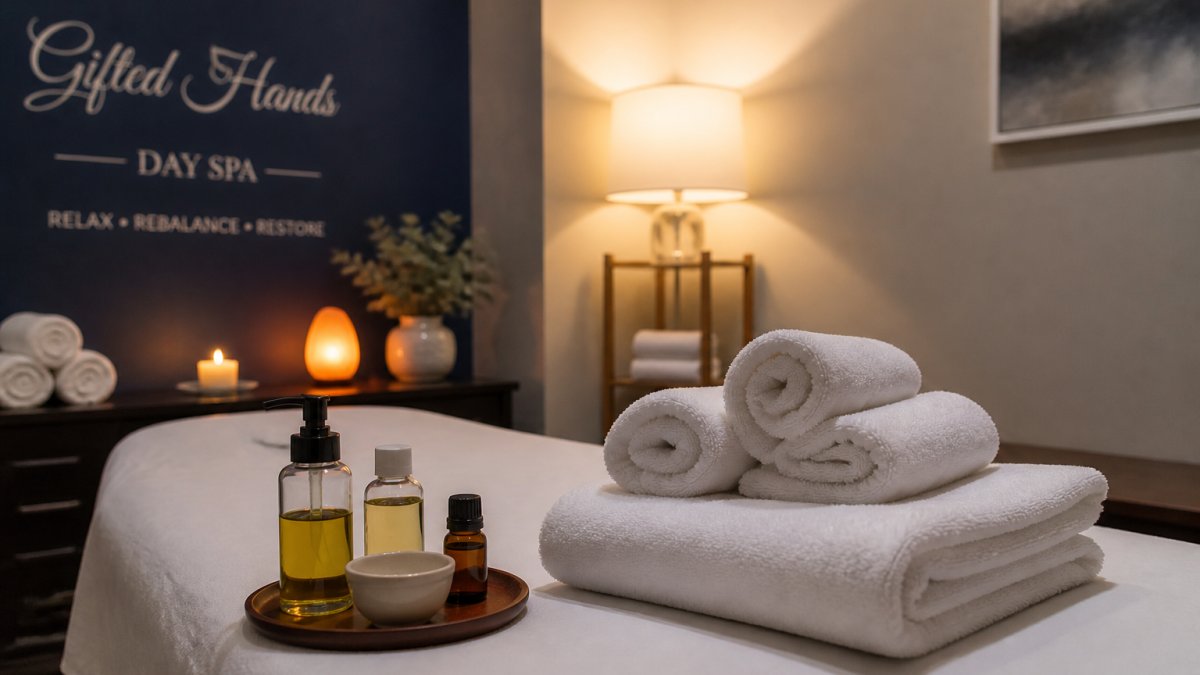
What to do before you arrive:
- Drink water in the hours beforehand so your muscles respond better to pressure
- Eat a light meal 60 to 90 minutes ahead, not a heavy one
- Shower if you can, and skip lotions or oils on the areas being worked
- Wear comfortable clothing that is easy to change out of
- Arrive 10 to 15 minutes early to fill out intake forms without rushing
What to skip: alcohol before your session, a large meal right before, and intense workouts immediately prior. Also skip the urge to push through pain during the massage. Speak up if pressure feels wrong.
The National Center for Complementary and Integrative Health overview of massage therapy notes that massage is generally considered safe for most people, but you should tell your therapist about injuries, recent surgeries, or medical conditions first.
Massage Session Length: 60, 90, or 120 Minutes
Session length should match your goal, not your budget alone. A 60-minute massage covers one or two focus areas well. A 90-minute session allows full-body work plus extra time on problem spots. A 120-minute session suits clients managing chronic pain or combining multiple treatment goals.
| Session Length | Best For | Typical Coverage |
|---|---|---|
| 60 minutes | Targeted tension relief | One or two focus areas |
| 90 minutes | Full-body plus focused work | Full body with extra time on knots |
| 120 minutes | Chronic pain or multi-area treatment | Full body, extended therapeutic work |
For a first visit, 60 minutes is usually enough to see how your body responds. If you carry tension across multiple areas, a longer session may be beneficial.
Deep Tissue Massage for Muscle Knots: When It Helps
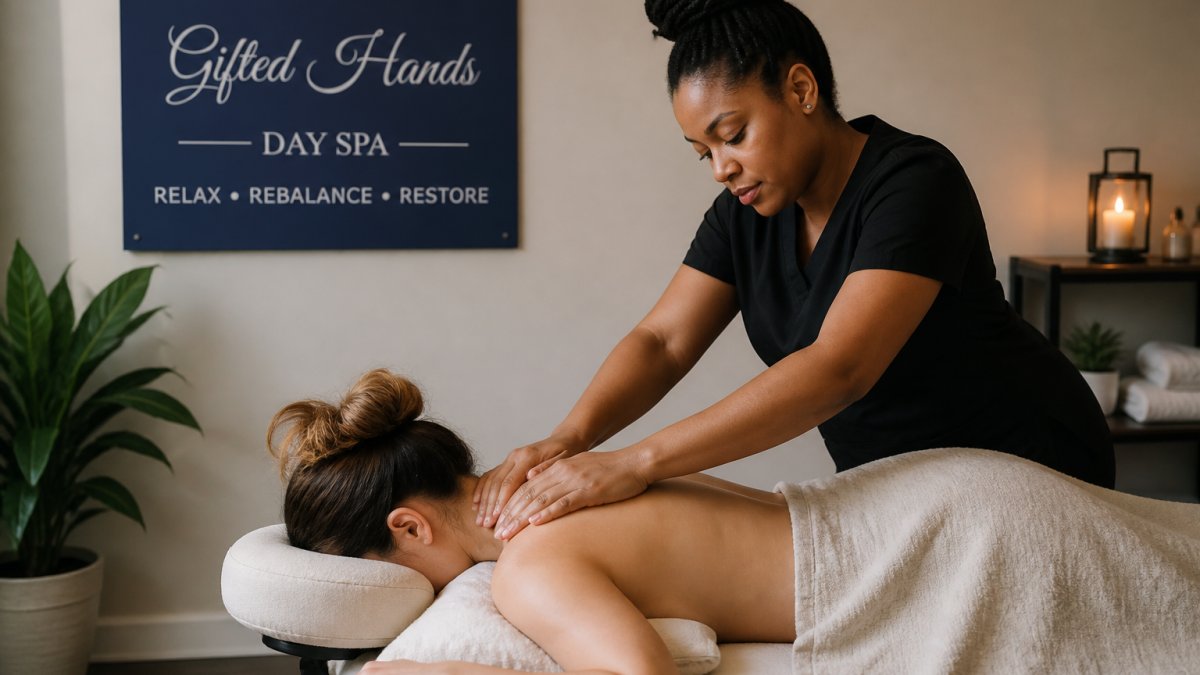
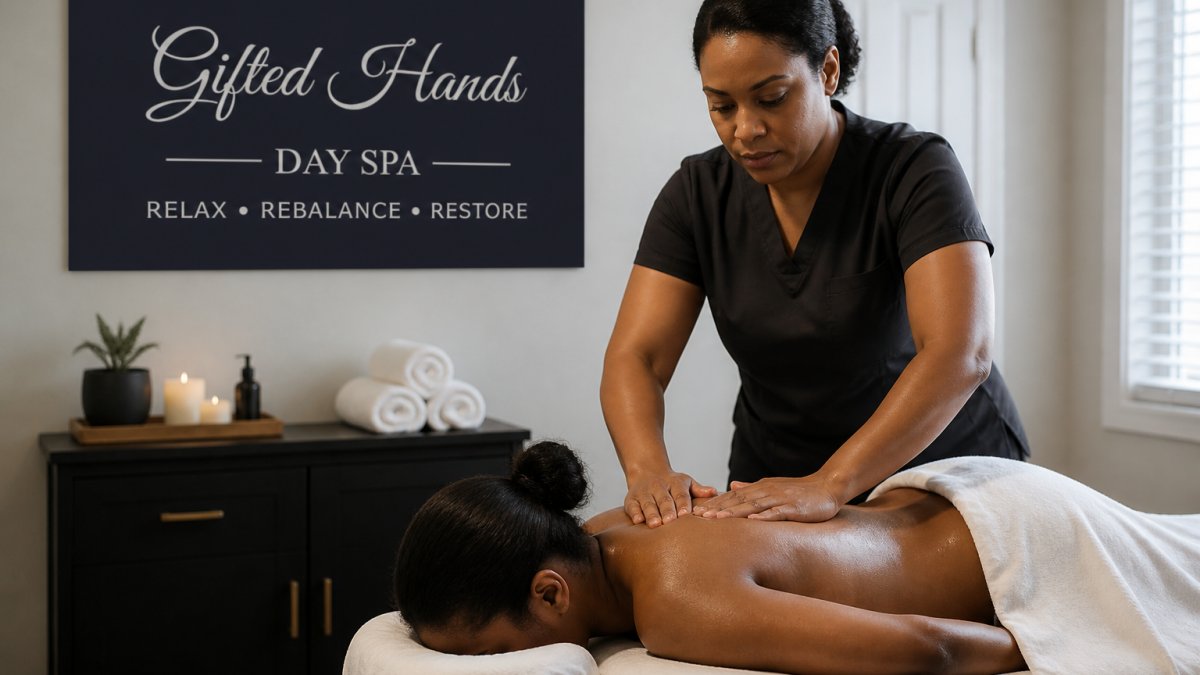
Deep tissue massage helps when tension has built up over weeks or months and lighter pressure no longer releases it. The technique uses slower strokes and firmer pressure to reach deeper muscle layers and the connective tissue around them.
It is not the right choice for every situation. If you want relaxation, Swedish massage or a lighter full-body session will serve you better. If you sit at a desk all day and your shoulders feel locked, deep tissue is often the answer. Tension often migrates upward into the scalp and neck, requiring a specialized approach to address these specific spa session expectations.
Signs deep tissue is a good fit:
- Knots that return within days of a lighter massage
- Restricted range of motion in the neck or shoulders
- Tension that has built up over weeks, not hours
- A specific area you can point to as the source
Expect some soreness for a day or two afterward. That is normal. Sharp pain during the session is not, and you should say so immediately.
Massage Therapist Credentials: How to Check Before You Book
Credentials separate a trained therapist from someone going through the motions. In the United States, most states require massage therapists to hold a license, and Delaware is no exception. Licensing typically involves completing an approved training program, passing an exam, and clearing a background check. A practical verification routine takes about five minutes and protects both your body and your wallet.
Step-by-step credential check:
- Ask for the therapist's full name and state license number before your appointment.
- Look up that license number in the Delaware Division of Professional Regulation license search to confirm it is active and in good standing.
- Confirm the license type matches the service you booked, since some credentials cover only certain modalities.
- Ask whether the therapist completed an accredited training program and how many hours it required.
- Ask about specialty certifications relevant to your goal, such as prenatal, sports, or oncology massage.
- Ask whether the spa requires ongoing continuing education for its staff.
What to verify:
- An active state license number that matches the therapist's name
- Completion of an accredited training program
- Any specialty certifications, such as prenatal or sports massage
- Whether the spa itself requires ongoing training for its staff
- Current liability insurance, which reputable spas and independent therapists carry
Safety and boundaries checklist:
- A licensed therapist will ask about injuries, recent surgeries, medications, and medical conditions during intake. Answer honestly.
- You keep control of the session. You can decline any area of the body, ask for a different pressure, or stop at any time.
- Draping is standard. Only the area being worked is uncovered, and a professional therapist explains what to expect before starting.
- Clean linens, fresh sheets, and washed hands between clients are baseline hygiene expectations. If something looks off, say so before the session begins.
- If a therapist recommends treatment for a medical condition, that is a signal to check with a physician rather than rely on the massage alone.
At Gifted Hands Day Spa, every massage therapist and esthetician on our team is certified. If credentials matter to you, and they should, ask before you book.
Booking, Pricing, and What Happens During Your Session
Booking a professional massage in Newark follows a predictable path once you know what you want. Most spas let you reserve online, by phone, or in person, and the process takes only a few minutes. The part most guides skip is what the final bill actually includes and what happens once you are on the table.
How to book, step by step:
- Confirm the location and state, especially if you searched a city name alone
- Choose your session length based on your goal
- Select a massage type, such as Swedish, deep tissue, or a targeted therapeutic session
- Check therapist credentials if you have a specific need
- Ask for the total cost, including gratuity and any add-ons, before you confirm
- Note the cancellation and deposit policy in writing
- Reserve your time slot and request a confirmation by text or email
- Arrive 10 to 15 minutes early with your intake form completed
What the total cost usually includes:
- Base session rate, which scales with length (60, 90, or 120 minutes)
- Add-ons such as hot stones, aromatherapy, or focused deep tissue work
- Gratuity, commonly 15 to 20 percent for good service, though it is always optional
- Any deposit required to hold the appointment, often applied to the final balance
- Cancellation fees, which many spas charge if you cancel inside a set window, frequently 24 hours
Ask these questions before you book:
- What is the full price for my session length, including tax?
- Is a deposit required, and is it refundable?
- What is the cancellation window, and what fee applies if I miss it?
- Are add-ons priced separately?
- Is gratuity included or added at checkout?
Pricing varies by session length, treatment type, and any add-ons you choose. Contact Gifted Hands Day Spa directly for current pricing and availability. Ask about the total cost upfront, including gratuity and any add-on services, so there are no surprises at checkout.
What to expect before, during, and after:
- Before: You complete an intake form covering health history, injuries, and pressure preferences. Your therapist confirms your goals and any areas to avoid.
- During: Your therapist checks in on pressure and focus areas, then adjusts as they work. Speak up at any point if something feels wrong.
- After: Drink water, move slowly, and give yourself a few minutes before driving or returning to your day. Mild soreness for a day or two after deep tissue work is common.
Conclusion
Finding the right massage comes down to three things: confirming you are booking in the right Newark, matching session length to your actual goal, and verifying that your therapist holds a current license. Get those right and the rest of the experience takes care of itself.
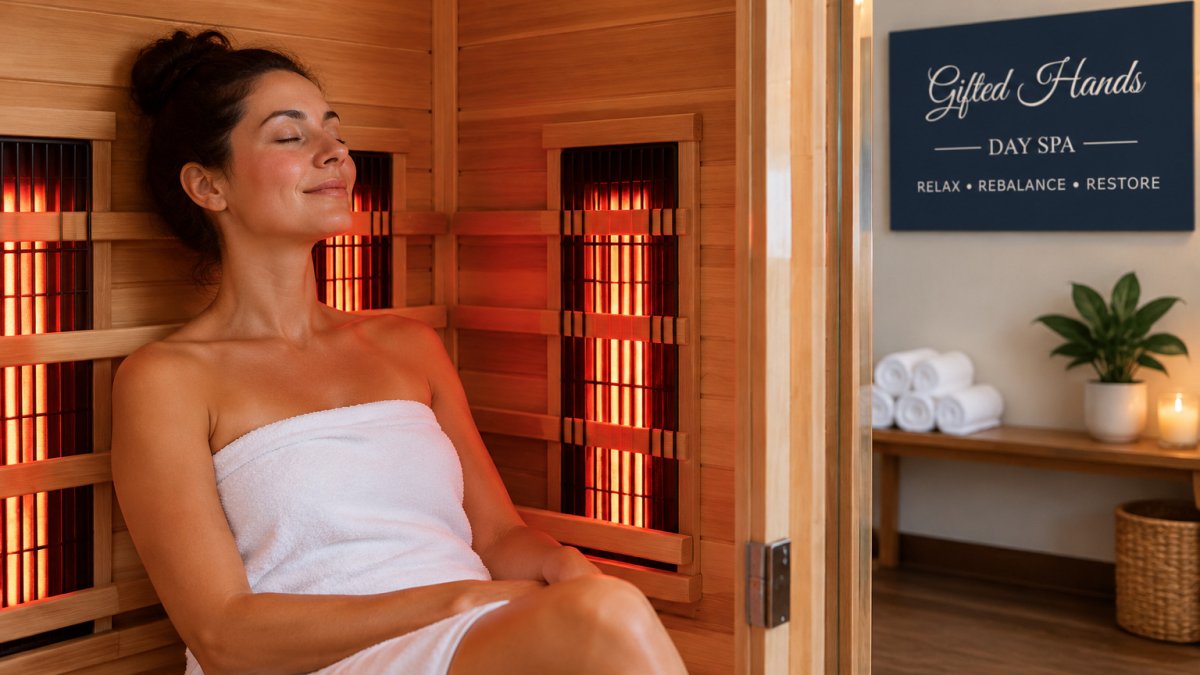
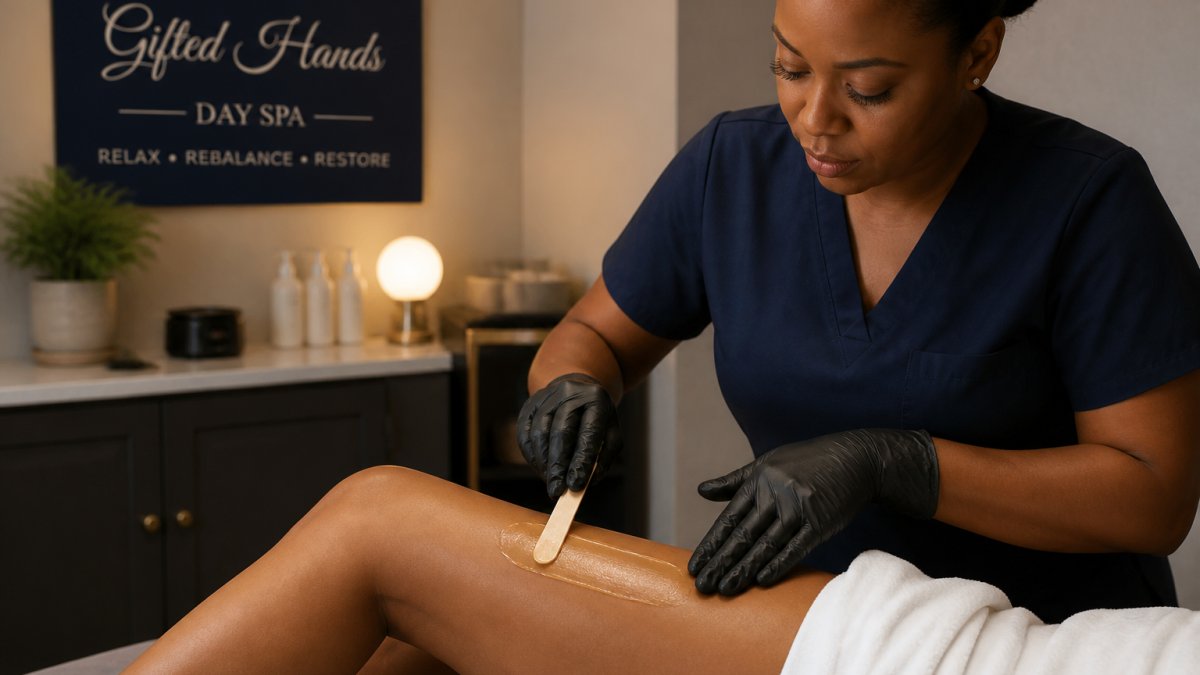
At Gifted Hands Day Spa, our certified therapists provide therapeutic massage, customized facials, infrared sauna therapy, and professional waxing, all in a woman-owned sanctuary designed for intentional self-care.
Book now with Gifted Hands Day Spa and give your body the reset it has been asking for.
Frequently Asked Questions
How do I choose the right type of massage?
Match the style to your goal. Swedish massage uses lighter, flowing strokes for relaxation and general stress relief. Deep tissue massage uses slower, firmer pressure on specific areas, which suits desk workers with tight shoulders or athletes recovering from training. Tell the therapist your goal when you book so they can recommend the right fit.
How long should a massage session be?
A 60-minute massage covers a full-body routine or focused work on two or three problem areas. Book 90 minutes if you want full-body coverage plus extra time on a specific spot, such as chronically tight shoulders from desk work. If it is your first professional massage in Newark, 90 minutes is a comfortable starting point.
What should I tell my massage therapist before a session?
Share your goals, problem areas, and any injuries, surgeries, or chronic conditions. Mention medications that affect circulation or sensation, and say so if you are pregnant. Be specific about pressure: tell them whether you want light, medium, or firm contact, and speak up during the session if anything feels uncomfortable. A therapist who asks questions before starting is doing their job, not wasting your time.
Is deep tissue massage good for muscle knots?
Yes, deep tissue massage is commonly used for muscle knots, the tight bands of tissue that form from repeated strain such as hours at a keyboard. The therapist applies slow, sustained pressure to reach deeper muscle layers and release tension. Expect some soreness for a day or two afterward, similar to a hard workout. Drink water, use heat, and avoid heavy lifting right after. For lasting relief, pair sessions with posture breaks at work.