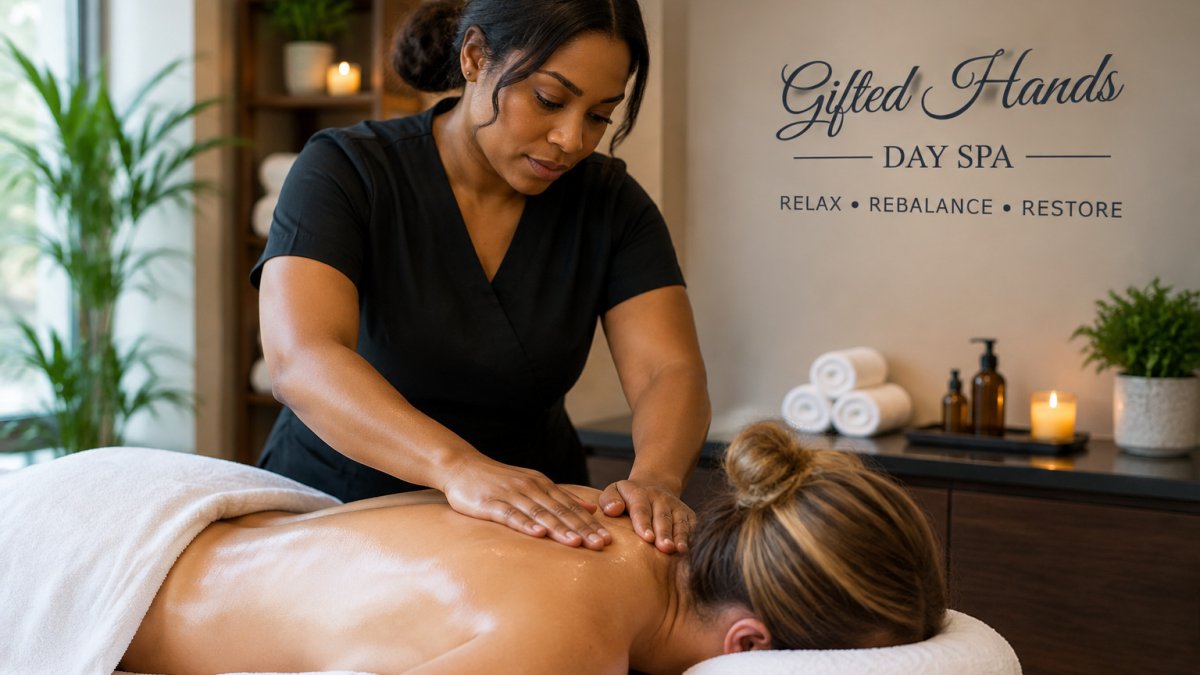
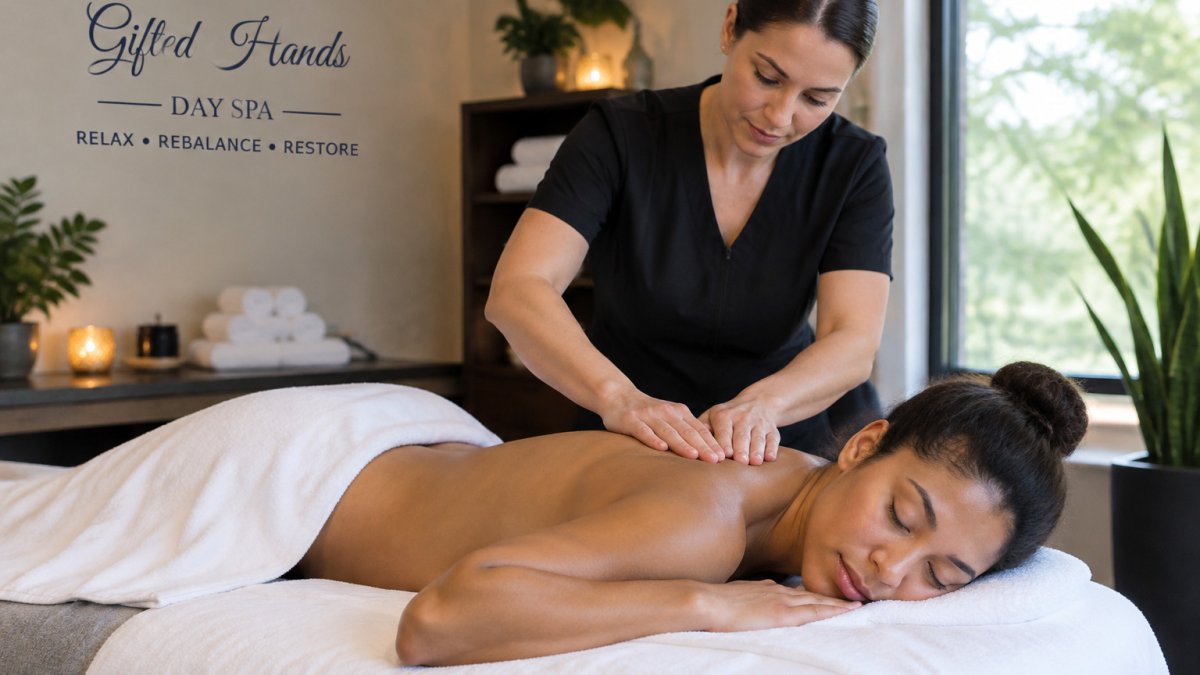
 comparison
Is a Professional Massage Better Than a Chain Spa?
Last Updated: November 10, 2026
Quick Summary
A professional massage beats a chain spa because it targets your specific problem instead of defaulting to relaxation, and it builds in a real consultation, continuity with the same therapist, and aftercare. Chain spa sessions often compress the intake into a form and cycle therapists faster, so the person who knew your back may not be there next visit.
- Relaxation massage calms the nervous system, while therapeutic work addresses a specific problem over several visits.
- Ask how long a practice's therapists tend to stay and whether you can request the same person.
- A 50-minute appointment includes consultation and dressing, so hands-on time is shorter than the number suggests.
- Compare cost per effective hands-on session, not cost per appointment, including add-ons, gratuity and membership terms.
- The clearest red flag is a therapist who starts working without a consultation.
Table of Contents
- Professional Massage vs. Chain Spa Massage: What Actually Differs
- Therapist Training, Licensing, and Turnover: Where Quality Gets Decided
- How to Choose a Massage Therapist Who Fits Your Body and Goals
- Massage Therapy Red Flags to Watch For Before You Book
- Types of Therapeutic Massage and Which Pressure Levels Suit Which Needs
- Massage Session Length: Why 50 Minutes and 90 Minutes Feel Different
- What a Professional Massage Costs Compared With a Chain Spa Membership
- Book a Professional Massage at Gifted Hands Day Spa
- Frequently Asked Questions
Professional Massage vs. Chain Spa Massage: What Actually Differs
Most people assume a massage is a massage, so the choice between a professional massage and a chain spa visit comes down to price and convenience. That assumption is the source of most disappointment. The two models differ in who touches your body, how long they have to do it, and whether anyone asks what you actually need. Below, we break down where the real differences sit, so you can decide which model fits your body and your goals.
Relaxation-Focused Spa Treatments vs. Therapeutic Treatment Goals
A relaxation massage aims to calm the nervous system: lighter pressure, soothing oils, a quiet room, and a focus on stress reduction and sleep quality. A therapeutic massage targets a specific problem, such as chronic neck tension from desk work, an old injury, or restricted movement. The setting looks similar. The intent does not.
Chain spas often default to the relaxation end of that spectrum. If your shoulders have been tight since March, relaxation feels good for a day. Therapeutic work asks why they are tight and addresses it over several visits.
Chain Spa vs. Independent Massage Practice: The Business Model Behind the Table
The table you lie on is shaped by the business model behind it.
The honest version of this comparison is that chains and independents are not monoliths. Some chain therapists are excellent, and some independent practices are just as rushed as the franchises they criticize. Judge the specific therapist and the specific practice, not the label on the door.
Here is how the two models differ on the points that shape your session.
| Factor | Professional Massage | Chain Spa Massage |
|---|---|---|
| Primary intent | Targets a specific problem | Defaults to relaxation |
| Therapist turnover | Ask how long therapists stay | Tends to cycle therapists faster |
| Consultation | Short intake built in | Often compressed to a form |
| Continuity | You can request the same therapist | Person may not be there next visit |
| Session length | 90 minutes allows focused problem-area work | 50 minutes includes consultation and dressing |
| Aftercare | Hydration, stretches, record of work done | Not described as standard |
Therapist Training, Licensing, and Turnover: Where Quality Gets Decided
Massage therapists in the United States are licensed at the state level, and you can usually verify a license through your state's massage board. The bigger variable is turnover. High-volume spa models tend to cycle through therapists faster, which means the person who knew your back last spring may not be there this fall.
Continuity matters more than most clients realize. A therapist who has worked on your shoulders five times notices changes a first-time therapist cannot. When you evaluate a practice, ask how long its therapists tend to stay and whether you can request the same person each visit.
How to Choose a Massage Therapist Who Fits Your Body and Goals
The right massage therapist is the one who asks questions before touching you, explains what they plan to do, and adjusts when you speak up. Start by naming your goal out loud: pain relief, injury recovery, stress reduction, or simply an hour of quiet. Then match the therapist's specialty to that goal rather than to the spa's brochure.

A Practical Vetting Checklist for Your First Appointment
Use this before you book, and again in the first five minutes of the session:
- Confirm the therapist's license is active with your state massage board
- Ask what training they have in your specific issue, such as desk-work tension or sports recovery
- Ask whether a consultation is included before the hands-on work begins
- Confirm you can request the same therapist for future visits
- Ask how pressure is adjusted mid-session if something feels wrong
- Check whether aftercare guidance is offered at the end
- Confirm the cancellation and scheduling policy in writing
If a practice cannot answer the first four questions clearly, that tells you something. For a closer look at matching a therapist to your goals, see our guide on how to book a therapeutic massage that fits your needs.
Massage Therapy Red Flags to Watch For Before You Book
The clearest red flag is a therapist who starts working without a consultation. Pressure preferences, injury history, and areas to avoid are not optional details.
Watch out: if a therapist pushes pressure through pain without checking in, speak up immediately.
Other signals worth noting: vague answers about licensing, a room that feels like a hallway, and staff who cannot tell you who will be treating you. None of these guarantee a bad session, but together they suggest a practice optimized for throughput rather than care.
Types of Therapeutic Massage and Which Pressure Levels Suit Which Needs
Swedish massage is the gentle, flowing style most people picture, and it suits general relaxation and mild muscle tension. Deep tissue work uses slower, firmer pressure aimed at deeper muscle layers and is the usual choice for chronic pain and stubborn knots. Therapeutic massage blends techniques around a specific complaint.
Pressure is a conversation, not a setting. A good therapist starts lighter, checks in, and builds. If you leave bruised and guarded, the pressure was too much for that day. For a deeper look at which style works for stubborn knots, read our breakdown of the best massage for deep muscle knots.
Massage Session Length: Why 50 Minutes and 90 Minutes Feel Different
Session length is where the two models diverge most visibly, and where the label on the door tells you the least. A 50-minute appointment usually includes a few minutes of consultation, dressing, and aftercare, so the hands-on time is shorter than the number suggests. A 90-minute session allows full-body work plus focused time on problem areas, which is why clients with chronic tension often find it more useful.
What actually happens in each phase is worth knowing before you compare practices:
- Before. A therapeutic practice builds in a short intake: goals, injury history, areas to avoid, pressure preference, and any medical context worth flagging to your therapist. A high-volume model often compresses this to a form and a few questions in the hallway.
- During. The therapist should check in early, adjust pressure on request, and tell you what they are working on and why. Silence is fine; unexplained pain is not.
- After. Good aftercare includes hydration guidance, stretches or movement suggestions, and a note on what to expect in the next day or two. It also includes a record of what was done, so the next visit does not start from zero.
Session length should follow your goal. If you have ever wondered what the clock actually covers, our explanation of what a 60-minute massage actually means walks through it.
On the evidence side, be precise about what massage does and does not do. Massage is not a treatment for disease, does not replace medical care, and should not be presented as prevention for conditions a physician would diagnose.
Watch out: a longer booking is not automatically a better one; if the therapist spends the extra time on the same routine rather than on your stated goal, you paid for minutes, not treatment.
What a Professional Massage Costs Compared With a Chain Spa Membership
Advertised prices are the least useful number in this comparison. The fair comparison is cost per effective hands-on session, not cost per appointment.
Start by separating the components.
Build the comparison line by line:
- Base session price. Note the advertised rate for the length you want, not the shortest teaser session.
- Add-ons. Ask whether the quoted rate includes add-ons such as hot stone or focused-area work, or whether they are charged separately.
- Gratuity expectations. Tipping norms vary by setting and region. Ask what is customary at that specific practice so you are comparing total out-of-pocket cost, not the pre-tip number.
- Membership commitment. Confirm the minimum term, the cancellation notice period, and whether unused sessions roll over or expire. A membership you stop using is the most expensive option available.
- Cancellation and late fees. Compare the window (often 24 hours) and the fee at each practice. A strict policy on a cheap session can cost more than a flexible policy on a higher one.
- Effective hands-on time. Subtract consultation, dressing, and turnover from the appointment length. A 50-minute booking and a 60-minute booking may deliver nearly the same table time.
Watch out: a monthly membership price divided by visits only reflects value if you attend every month; divide by the visits you realistically keep, not the ones the brochure assumes.
That is the number worth tracking over a few months. Pricing depends on session length and treatment type, so check current rates directly with Gifted Hands Day Spa or on its website. Our guide to what to expect when you book a professional massage covers how to compare value honestly.
Book a Professional Massage at Gifted Hands Day Spa
If your goal is treatment rather than a quick pause, the difference shows up in the consultation, the continuity, and the aftercare. Gifted Hands Day Spa offers therapeutic massage and Swedish sessions with certified therapists. We keep our pace intentional, in line with our slow-paced approach to care.
Your shoulders have been tight long enough to know that a rushed hour will not fix it. A professional massage built around your goals, with a therapist who remembers your history, changes what you get out of each visit. Gifted Hands Day Spa pairs certified therapists with personalized treatment plans, hot stone therapy, and a calm, unhurried setting.
Frequently Asked Questions
What are red flags in massage therapy?
Watch for a therapist who skips a client consultation, never asks about injuries or pressure preferences, or pushes a long membership before your first session. Other massage therapy red flags include a dirty treatment room, unclear licensing, and a therapist who ignores you when you say the pressure is too much. A professional massage should always start with questions about your treatment goals and end with aftercare guidance.
How is a professional massage different from a chain spa massage?
Booking with a certified therapist lets you talk through your goals before each session, such as tension from desk work. Ask any spa how it handles consultations and whether you can request the same therapist.
How do I choose a qualified massage therapist?
Start by confirming state licensing and asking what training the therapist has in the techniques you need, such as deep tissue or Swedish massage. Ask whether they do a client consultation before the first session and whether they keep notes on your preferences. When learning how to choose a massage therapist, book a single session first, pay attention to how well they listen, and only commit to a membership after you know the fit works.
What is a normal tip for a massage?
Gratuity practices vary. Ask the front desk whether gratuity is already included in the price before you add a tip, so you are not tipping twice.
Is a professional massage worth the cost?
It depends on what you need. If you want a relaxing hour with no follow-up, a chain spa can work. If you are managing chronic neck tension or pain that keeps returning, ask about consultation, session length, and therapist consistency before deciding what fits your needs. Ask about session length, consultation time, and aftercare before comparing prices, because those details drive the real difference.