 listicle
Is Luxury Massage Therapy Worth It for Stress?
Quick Summary
Luxury massage therapy for stress is worth it when the experience itself is restful: a calm room, unhurried pacing, and a therapist who checks in about pressure. Price alone is a weak signal, so compare the environment and attention you receive. Swedish, deep tissue, and hot stone are the main styles to choose from.
- Judge a session by its environment, pacing, and personalization rather than price alone.
- Ask whether the therapist checks your goals and pressure preferences before starting.
- Swedish massage suits first-time clients and general relaxation with light to medium pressure.
- Deep tissue suits chronic tension, while hot stone works well for winding down.
- Be specific about wanting therapeutic work, since asking only for relaxing may give a lighter session.
Table of Contents
- What Makes a Massage Luxurious, and Does It Matter for Stress?
- Massage for Stress Relief: Which Styles Work Best
- Swedish Massage for Relaxation: When It Is the Right Choice
- Deep Tissue and Hot Stone Options for Chronic Tension
- How Much Does Luxury Massage Therapy for Stress Cost?
- What to Expect Before, During, and After Your Session
- How to Choose a Qualified Therapist and Book Your First Visit
- Frequently Asked Questions
What Makes a Massage Luxurious, and Does It Matter for Stress?
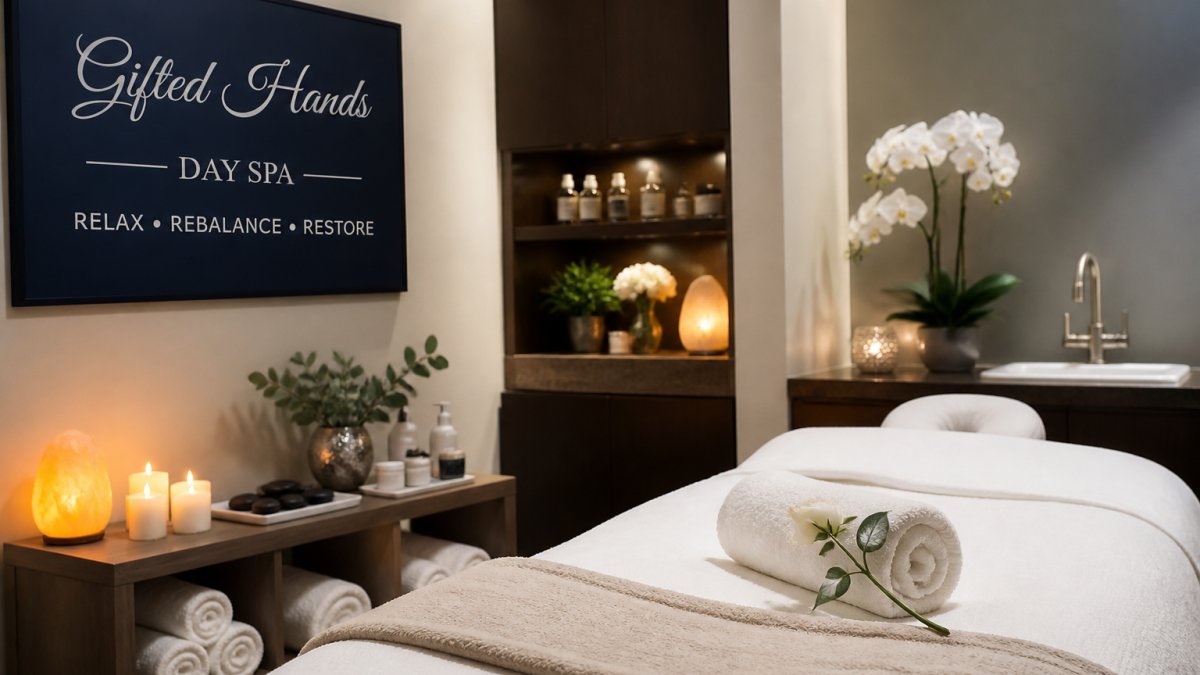
Gifted Hands Day Spa in Newark, DE, builds its sessions around slow, intentional rituals. A luxury massage is best understood as a combination of environment, pacing, and personalization rather than price alone. Stress responds to the whole experience, so the details matter.
Luxury is defined by the experience, not just the price. A luxurious session is often described as including a calm room, unhurried transitions, and a therapist who checks in about pressure and comfort.
Consider three questions when comparing options:
- Does the therapist ask about your goals and pressure preferences before starting?
- Is the room quiet, clean, and set up for relaxation?
- Is there enough time for the session to feel unhurried?
If the answer is yes to all three, the experience is more likely to support stress reduction. If you're coming from a chain location, it is worth noticing whether the pace and attention feel different.
Watch out: Price alone is a weak signal. A higher-priced session can still feel rushed, while a moderately priced one may be deeply restful.
Massage for Stress Relief: Which Styles Work Best
Swedish, deep tissue, and hot stone massage are among the most common styles offered for stress, and each works through a different mechanism. You can compare professional massage therapy options in Newark, DE and see which styles are available locally. Choosing the right one depends on whether your stress shows up as general tension, muscle soreness, or a need to unwind.
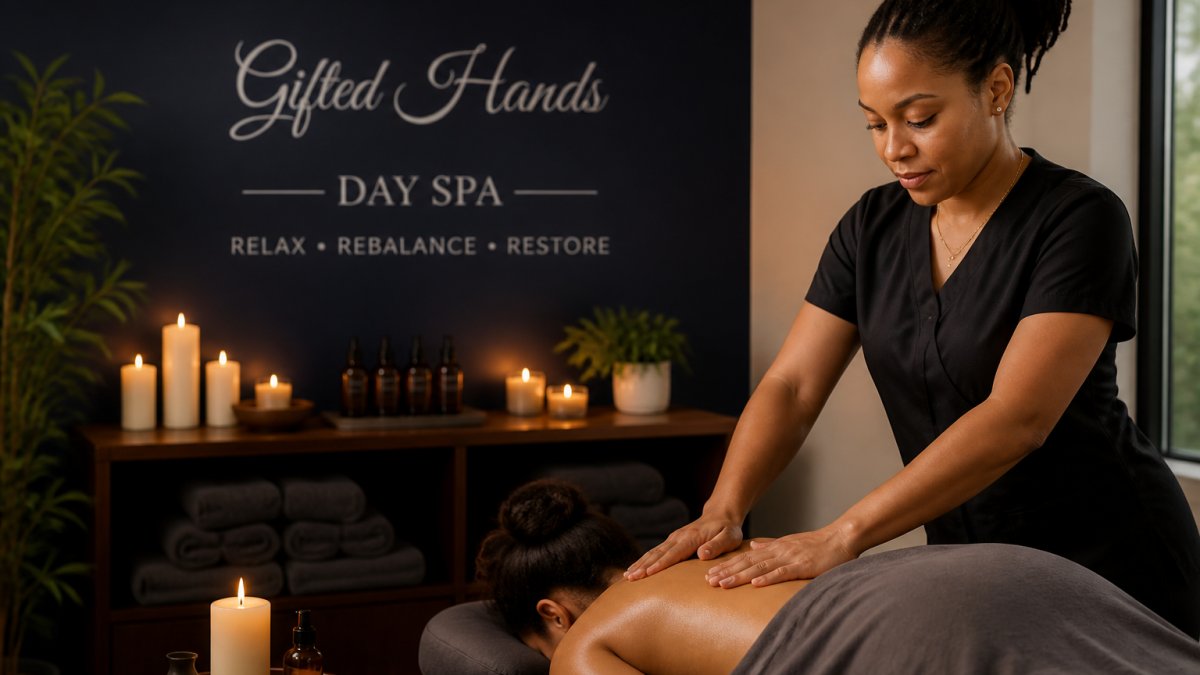
Swedish massage uses long, flowing strokes and lighter pressure. It is generally the best starting point for people who want relaxation rather than intense work on specific knots.
Deep tissue massage applies firmer pressure to deeper muscle layers. It suits people with chronic tightness, though it can feel intense at first.
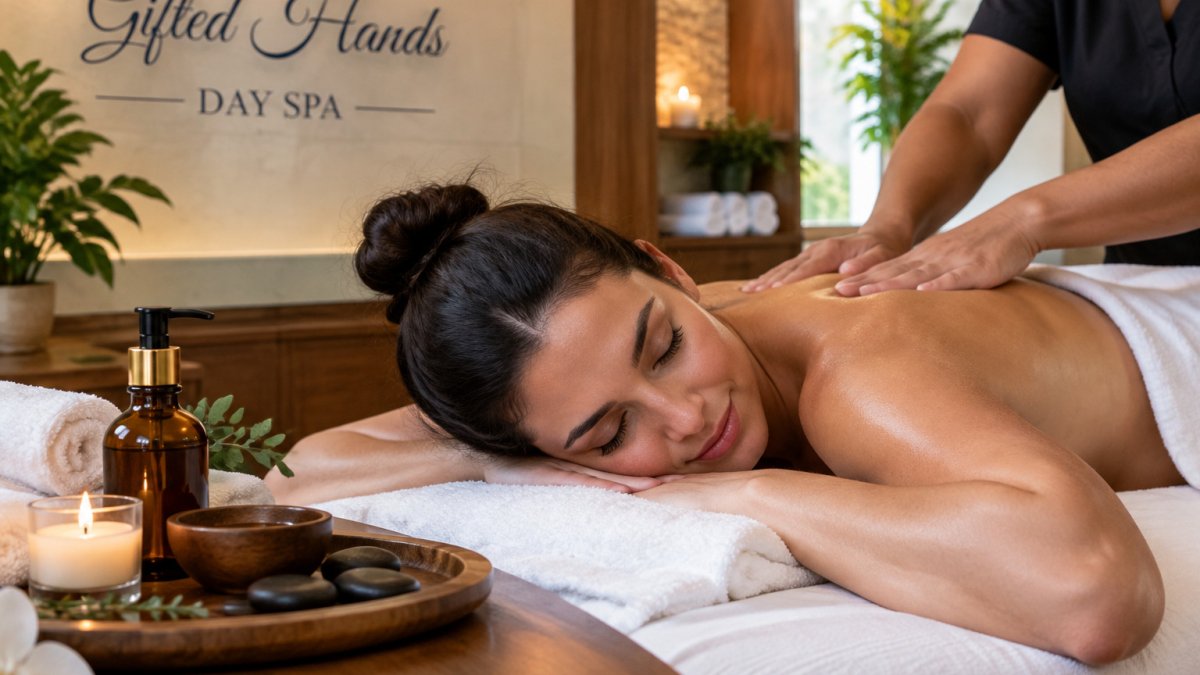
Hot stone massage uses warmed stones placed on the body and worked into the muscles. The warmth tends to encourage muscles to loosen, which many clients find especially calming.
| Style | Pressure | Best For | Stress Relief Focus |
|---|---|---|---|
| Swedish | Light to medium | General relaxation | Full-body calm |
| Deep tissue | Firm | Chronic tension | Muscle release |
| Hot stone | Medium, with warmth | Winding down | Warmth and relaxation |
Gifted Hands Day Spa offers therapeutic massage, so you can discuss which style fits your current stress level before booking.
Swedish Massage for Relaxation: When It Is the Right Choice
Swedish massage is the right choice when your main goal is relaxation and you want a gentle, low-effort session. It is often the first style people try, and it works well for stress that feels mental rather than physical.
The pressure can be adjusted at any time, which makes it accessible for beginners.
Swedish massage tends to suit:
- First-time massage clients
- People who feel overwhelmed and want a gentle reset
- Anyone who prefers a calm, flowing session over targeted pressure
Watch out: Telling your therapist you want "relaxing" rather than "therapeutic" can lead to a lighter session than you need. Be specific about your goals.
Deep Tissue and Hot Stone Options for Chronic Tension
Deep tissue and hot stone massage are commonly discussed for chronic tension. For practical therapeutic massage moves that target desk-related tightness, see the article on desk workers' tension. They approach the same problem differently, so the right choice depends on how your body responds to pressure and heat.
Deep tissue work targets the deeper layers of muscle and connective tissue. Communicate clearly during the session if the pressure is too much.
Hot stone massage adds warmth, which many people find eases stiffness before deeper work begins.
If you have a chronic condition such as arthritis or fibromyalgia, speak with your doctor before booking. A qualified therapist can adjust pressure and technique to suit your needs.
How Much Does Luxury Massage Therapy for Stress Cost?
Pricing depends on session length, style, and any add-on services. For current prices, contact Gifted Hands Day Spa directly or check its website.
Use these questions to compare fairly:
- How long is the hands-on time, and does the price include intake and room time?
- Is the style you want included, or is it an upgrade?
- Is gratuity included, and what is the cancellation policy?
- Does the spa offer a first-visit consultation or a shorter introductory session?
What to Expect Before, During, and After Your Session
A typical luxury massage session follows a predictable flow, which helps reduce anxiety for first-time clients. Knowing what to expect, and what to ask for, can make it easier to relax and helps you get more from the session. Knowing how pressure and touch affect your comfort can also help you choose massage tools for relief between sessions.
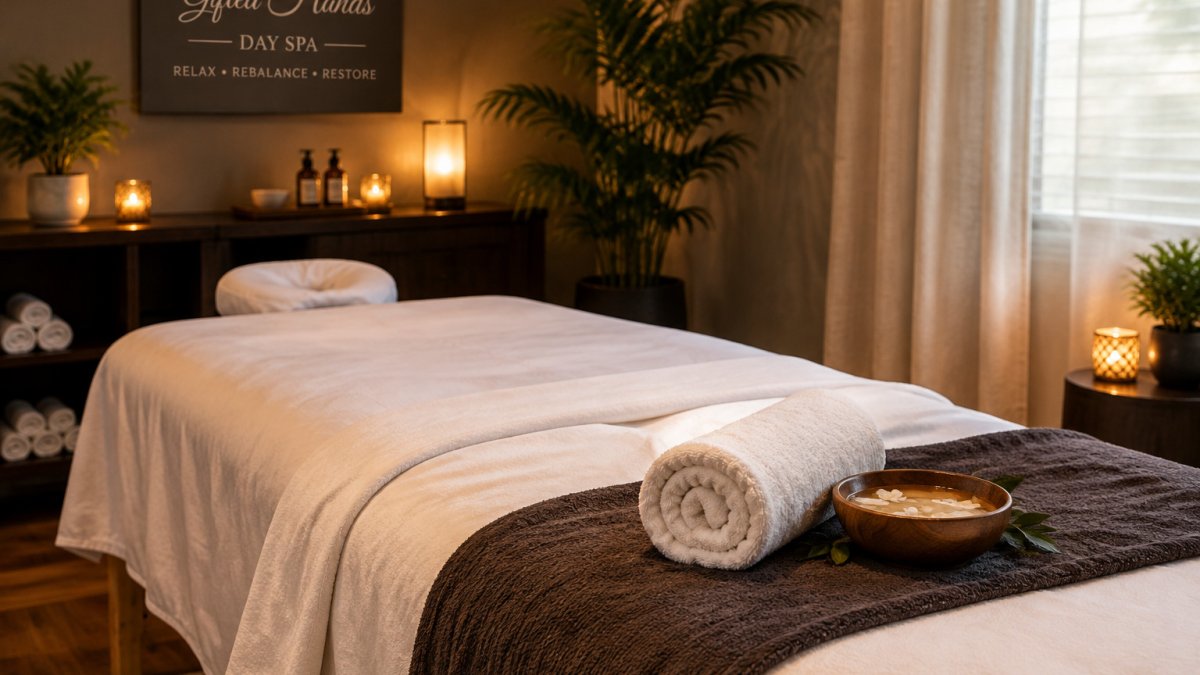
Before: the intake is where the session is won. Arrive a few minutes early to complete any intake forms. Share injuries, medical conditions, medications, recent surgeries, and sensitivities, and tell the therapist what you want from the session and where you hold tension. A good intake covers more than a checkbox: it asks about pressure preference, areas to avoid, sensory needs (light, sound, scent, temperature), mobility considerations, and whether you are pregnant or may be. If you use a mobility aid or need help getting on and off the table, say so when you book so the room and therapist can be prepared. You can ask whether the therapist is licensed and how long they have been practicing.
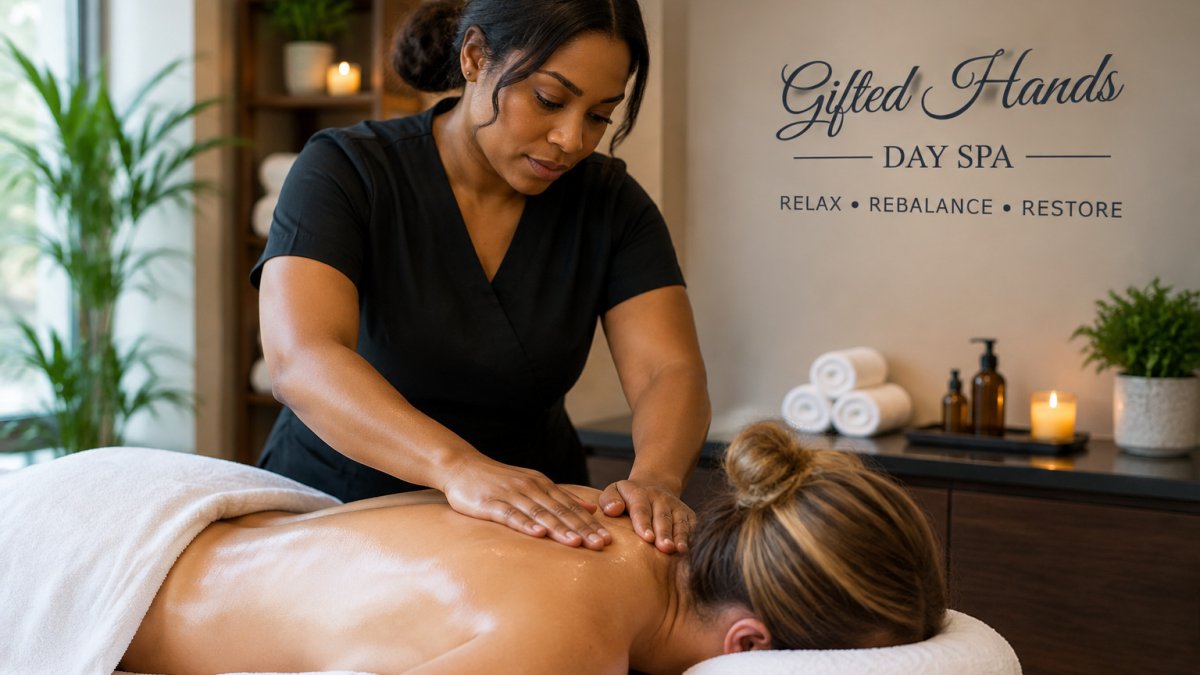
During: you are in control. The therapist will leave the room while you undress and get comfortable under the sheet, and will keep you draped throughout. Speak up if the pressure is too strong or too light, if a scent or the room temperature bothers you, or if you need a pause. Many people stay silent to be polite, which is the most common way a session ends up either too light to help or too firm to enjoy. If you booked deep tissue, expect focused work on specific areas rather than a full-body flow; if you booked Swedish, expect long, continuous strokes with lighter pressure. Ask the therapist to check in at the midpoint if you are unsure how to gauge pressure.
After: give yourself a runway. Take a few minutes to rise slowly. Drink water, and plan a low-demand hour afterward rather than rushing into errands or a workout. Some people feel calm and a little sleepy; others feel energized. Deep tissue work can leave you sore for a day or two, which is normal, while Swedish and hot stone sessions typically leave little residual discomfort.
Realistic expectations. A single session often produces short-term relaxation and a noticeable drop in perceived tension, but the effect varies widely from person to person and depends on sleep, hydration, and how much stress you are carrying. Massage is not a treatment for a diagnosed condition, and persistent pain, numbness, or symptoms that do not ease warrant advice from a healthcare professional rather than another session. If you have a chronic condition such as arthritis or fibromyalgia, speak with your doctor before booking, and tell the therapist so pressure and technique can be adjusted.
Watch out: Skipping the intake or staying silent about pressure are the two most common reasons a luxury session feels ordinary, so treat the first ten minutes as part of the treatment, not paperwork.
How to Choose a Qualified Therapist and Book Your First Visit
Choosing a qualified therapist is one of the most important steps in getting a restful, safe session. Look for certifications, ask about experience with your specific concerns, and pay attention to how the therapist communicates during your consultation.
Gifted Hands Day Spa describes its services as performed by certified experts. A good therapist will explain their approach, ask about your goals, and adjust pressure based on your feedback.
To book your first visit:
- Decide on your main goal, such as relaxation or muscle relief.
- Choose a style that matches that goal.
- Call or visit the spa to confirm availability and pricing.
- Arrive early to complete your intake form.
You can find the full range of services and contact details on the Gifted Hands Day Spa website.
Frequently Asked Questions
What type of massage is best for stress?
For most people seeking stress relief, Swedish massage is the most common starting point because it uses long, flowing strokes and light-to-medium pressure that encourage relaxation. Deep tissue massage can help if stress shows up as persistent muscle tension in the neck, shoulders, or back, though it is firmer and may feel intense at first. Many people find a Swedish session for relaxation and a deep tissue session for knots works well. Tell your therapist what you want to feel afterward and let them tailor the pressure.
How much does luxury massage therapy for stress cost?
Pricing depends on session length, the therapist's experience, the massage style, and any add-on services, so there is no single fixed rate. For current prices and package options at Gifted Hands Day Spa, check the website or call to request a quote. When comparing providers in the United States, look at what is included, such as time for consultation, extra time for undressing and dressing, and gratuity policies, rather than only the base price.
How long should a massage for stress relief last?
Many people choose 60 to 90 minutes for stress relief because it gives enough time to settle in and work through tension without rushing. A 60-minute session is a practical entry point, while 90 minutes allows more time on areas such as the neck, shoulders, and back. Shorter sessions can still help, but they leave less time to transition out of a stressed state. Choose the length that fits your schedule without leaving you hurried.
Can massage therapists tell if you're stressed?
A skilled therapist can often notice signs of stress through muscle tension, posture, breathing patterns, and areas of guarding or tightness, especially across the shoulders, jaw, and upper back. They cannot read your thoughts, but a good intake conversation helps them understand your goals. Telling your therapist about your stress level and any tension hotspots lets them adjust pressure and focus. Honest communication during the session is the most reliable way to get the right treatment.
Booking a luxury massage for stress is a practical way to step away from daily pressure. If you are ready to try a slower, more personal approach, explore our spa services and find the option that fits your needs. For a deeper look at hot stone and other therapeutic styles, our hot stone massage guide explains what to expect. When you are ready to schedule, contact us to book your first visit.