 How-to
How to Choose the Right Facial Treatment for Your Skin
Last Updated: November 26, 2026
Quick Summary
To choose the right facial treatment, start with your skin type and your goal, then match the treatment's depth and intensity to both. A customized facial suits all skin types and is the lowest-risk first booking, while peels, microdermabrasion, LED therapy, and microneedling target specific concerns. Ask what device or acid is used and at what strength before you book.
- Identify your skin type at home with a gentle cleanse and a tissue test, and recheck every few months.
- A customized facial is the lowest-risk entry point if you have never had a professional treatment.
- Most people do well with a professional facial every four to six weeks, matching the skin's renewal cycle.
- Microdermabrasion is a poor match for active breakouts because abrasion can spread inflammation.
- Postpone a facial if you have an active cold sore, open wound, sunburn, or skin infection in the treatment area.
Table of Contents
- Start With Your Skin Type and Goals
- Different Types of Facial Treatments and What They Do
- How to Choose the Right Facial Treatment for Oily Skin
- How to Choose the Right Facial Treatment for Combination Skin
- Matching Treatments to Dry, Sensitive, Dull, and Aging Skin
- Downtime, Recovery, and How Often to Go
- Questions to Ask Before Booking a Facial
- When to Postpone a Facial and What to Avoid
- Frequently Asked Questions
Start With Your Skin Type and Goals
Learning how to choose the right facial treatment starts with two facts: your skin type and what you actually want to change. Everything else, the products, the intensity, the add-ons, follows from those two answers.
Learning how to choose the right facial treatment is easier when you start with a simple question: what do you want your skin to feel and look like in four weeks? That framing works better than chasing whatever treatment is trending, because a facial matched to your skin rarely disappoints, while a mismatched one can leave you red, dry, or broken out.
Below, we walk through how to identify your skin type, which treatments suit which concerns, and the questions worth asking before you book.
How to Identify Your Skin Type at Home
Wash your face with a gentle cleanser, pat dry, and wait about an hour without applying anything. Then press a clean tissue across your forehead, nose, cheeks, and chin. Shine on all four zones suggests oily skin; tightness and flaking suggest dry skin; an oily T-zone with normal or dry cheeks points to combination skin.
Watch out: skin type is not permanent. Hormones, weather, travel, and new medications all shift it, so recheck every few months rather than assuming your college-era label still applies.
Different Types of Facial Treatments and What They Do
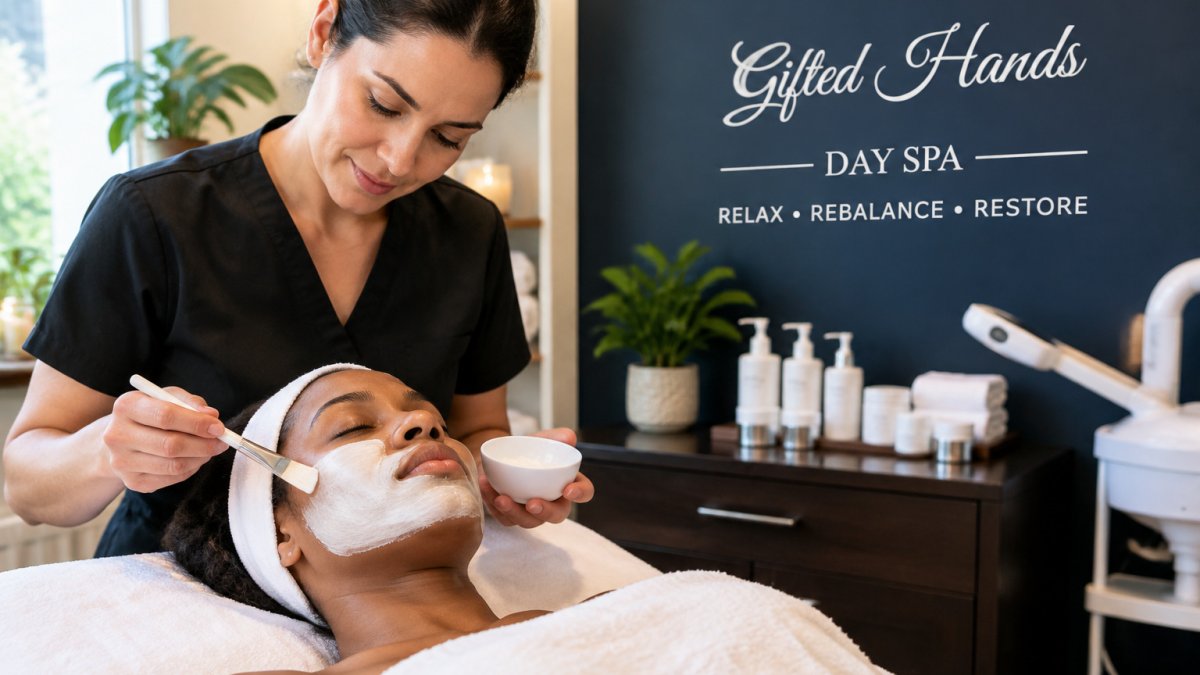
A facial treatment is a professional skin session that combines cleansing, exfoliation, and targeted care, selected for your skin type and concern. Most sessions run 50 to 60 minutes and end with hydration and sun protection. What separates one treatment from another is not the name on the menu but three variables: how deep it works, what it does to the skin barrier, and how many sessions it takes before you see a change.
The main categories you will encounter:
- Custom facials: cleansed, exfoliated, and masked according to your skin's needs that day. The esthetician adjusts products and pressure in the room, so the same appointment can lean clarifying one month and hydrating the next. This is the lowest-risk entry point and the right first booking if you have never had a professional treatment.
- Chemical peels: controlled acids, usually alpha-hydroxy or beta-hydroxy acids, that dissolve the bonds holding dead surface cells together so they shed evenly. Depth ranges from a light lunchtime peel with little visible flaking to a medium peel that causes several days of peeling. Peels are dose-dependent: a series of light peels is generally safer and more predictable than one aggressive peel.
- Microdermabrasion: physical exfoliation with a fine abrasive tool that sands away the outermost layer and, in some devices, vacuums loosened debris. It is best for texture and dullness, and it is a poor match for active breakouts because the abrasion can spread inflammation and irritate lesions.
- Extractions: manual clearing of blackheads and congestion, usually folded into a custom facial rather than booked alone. Good extractions are gentle and targeted; aggressive squeezing causes trauma and can leave marks.
- LED light therapy: light wavelengths used to calm redness or support collagen. It is painless with no downtime, but results are gradual and cumulative, so it works best as a recurring add-on rather than a one-time fix.
- Microneedling: controlled micro-channels that prompt collagen production. It carries the strongest collagen response on this list and the most noticeable recovery, typically a few days of redness and sensitivity.
You can see the full menu of options available to book on our facial and skincare services page.
Pros and Cons of Common Facial Treatments
Each option trades intensity for recovery time.
| Treatment | Best For | Main Advantage | Main Drawback |
|---|---|---|---|
| Custom facial | All skin types | Safe, adjustable, low risk | Gentler results |
| Chemical peel | Dullness, uneven tone | Noticeable resurfacing | Flaking, sun sensitivity |
| Microdermabrasion | Texture, blackheads | Quick, minimal downtime | Not for active breakouts |
| LED light therapy | Redness, fine lines | Painless, no downtime | Gradual results |
| Microneedling | Fine lines, texture | Strong collagen response | Several days of redness |
A common mistake is stacking the most intensive option onto sensitive skin. In practice, the best results come from a series of moderate treatments, not one aggressive session.
Watch out: a treatment marketed as "deep cleansing" can mean very different things at two spas. Ask what device or acid is used and at what strength before you assume the appointment matches the description.
How to Choose the Right Facial Treatment for Oily Skin
For oily and acne-prone skin, the priority is deep cleansing and oil balance, not stripping. A customized facial with gentle exfoliation and targeted extractions can help clear congestion in blackheads and pores.
Chemical exfoliation, such as a mild peel, helps keep breakouts in check between visits. Physical scrubs and harsh cleansers tend to irritate acne-prone skin and make inflammation worse.
A common approach is a deep-cleansing facial every four to six weeks, with extractions only when congestion builds, plus a simple home routine built around a gentle cleanser and a non-comedogenic moisturizer. If you are unsure which of the different types of facial treatments fits your breakouts, book a consultation first; a short skin analysis saves you from guessing. A guide to facial treatments can help you compare options by your skin’s needs, so you can arrive at that consultation with clearer questions.
How to Choose the Right Facial Treatment for Combination Skin
Combination skin needs one facial that treats two zones at once, and that is exactly what a customized facial is built for. A customized facial can address the T-zone and cheeks differently, with deep cleansing on one area and soothing, hydrating care on the other.
The mistake we see most often is treating the whole face like oily skin. That dries out the cheeks and leaves the skin feeling tight and reactive. Ask for zone-by-zone work: a clarifying mask on the forehead and nose, a calming mask on the cheeks.
When learning how to choose the right facial treatment for combination skin, the deciding question is which zone misbehaves more. If oil and congestion dominate, lean toward deep cleansing; if dryness and tightness dominate, lean toward hydration and gentle exfoliation.
Matching Treatments to Dry, Sensitive, Dull, and Aging Skin
Dry skin responds best to hydration-focused facials with gentle exfoliation and nourishing masks. Skip aggressive peels, which can leave already-dry skin flaking for days.
Sensitive skin needs screening before anything touches your face. For a deeper look at how we tailor sessions for reactive skin, read our guide to customized facials for sensitive skin.
Dullness and uneven tone respond to chemical exfoliation and brightening treatments, while fine lines and early signs of aging benefit from collagen-supporting options like microneedling and LED light therapy.
Downtime, Recovery, and How Often to Go
Downtime depends on intensity, and the honest answer is that recovery is treatment-specific rather than a single number. Plan around these realistic windows:
- Custom facials: little to no visible recovery time. You can return to work the same day, though slight redness for a few hours is normal, especially after extractions.
- LED light therapy: no downtime. Results are gradual and cumulative, so the timeline that matters is weeks, not days.
- Microdermabrasion: mild redness for a few hours to a day. Skip strong actives and sun exposure for a couple of days.
- Light chemical peels: mild flaking or redness for a few days. Medium peels can cause visible peeling for about a week and leave skin more sun-sensitive for longer.
- Microneedling: typically one to three days of redness and sensitivity, with improvement in texture appearing over the following weeks as collagen remodels.
For frequency, most people do well with a professional facial every four to six weeks, which matches the skin's natural renewal cycle. Collagen-focused treatments such as microneedling are usually scheduled as a series spaced several weeks apart, then maintained a few times a year. If you want a schedule built around your skin type and treatment intensity, our guide on how often to get a professional facial breaks it down.
Aftercare matters as much as the treatment itself. In the first few days after a peel or microneedling session, keep the routine simple: gentle cleanser, a bland moisturizer, and daily broad-spectrum sunscreen.
Watch out: more is not better. Booking intensive treatments back to back leaves skin irritated and undermines the results, and stacking a peel, microdermabrasion, and microneedling in the same month is a recipe for a compromised barrier rather than faster progress.
Questions to Ask Before Booking a Facial
Ask these before you book, and you will avoid most disappointments:
- Who will perform the treatment, and are they a licensed esthetician?
- What does the consultation include, and will my skin be analyzed first?
- Which treatment fits my skin type and concern, and why?
- What results should I expect, and after how many sessions?
- What downtime should I plan for, and what should I avoid afterward?
- How do you screen for sensitive skin and past reactions?
- What home care supports the results between visits?
A provider who welcomes these questions is a provider worth trusting. You can review the full range of treatments and contact details on our spa services page.

The woman is American.
When to Postpone a Facial and What to Avoid
Postpone a facial if you have an active cold sore, an open wound, a sunburn, or a skin infection in the treatment area.
Avoid scheduling a facial right before a major event. Even a gentle treatment can leave slight redness for a few hours, and peels need recovery time.
If you are unsure whether a skin condition means postponing, contact the spa directly rather than guessing. You can reach our team through our contact page to ask about your situation or reschedule an appointment.
Choosing the right facial treatment comes down to knowing your skin type, naming your goal, and asking a few direct questions before anyone touches your face.
Frequently Asked Questions
How do I choose a facial for my skin type?
Wash your face, wait an hour without applying products, then press a blotting sheet to different zones. Shine on the forehead and nose points to oily skin, flaking cheeks suggest dry skin, and a mix of both means combination skin. Bring those observations to your consultation so your esthetician can match a facial treatment to your actual skin type and goals instead of guessing.
Which facial is best for oily or acne-prone skin?
Deep-cleansing facials with gentle exfoliation and targeted extractions usually suit oily and acne-prone skin best. Some treatments can help clear congestion and blackheads, and a provider can advise which options suit your skin. Skip heavy creams and aggressive scrubs. A licensed provider should assess your skin first, since irritated skin can worsen with strong treatments.
What should I tell an esthetician before a facial?
Share your skin type, current home routine, medications, allergies, and any active irritation. Mention past reactions to facials and what result you want, whether that is hydration, brightening, or calming redness. Honest details let your esthetician adjust the treatment plan and avoid ingredients or steps that could trigger a reaction.
How often should you get a facial?
Most people see the best results with a facial every four to six weeks, which follows the skin's natural renewal cycle. Maintenance frequency depends on your skin concern, the treatment intensity, and how your skin responds. Ask your esthetician to map out a series and a maintenance schedule during your consultation.