 how-to
How Often Should You Get a Professional Facial
Table of Contents
- The Standard Professional Facial Schedule: Every Four to Six Weeks
- How Skin Type Affects Professional Facial Frequency
- How Often Should You Get a Facial for Sensitive Skin
- How Long to Wait Between Facials for Best Results
- Facial Aftercare and Maintenance Between Appointments
- Getting a Professional Facial Before an Event
- Choosing a Qualified Esthetician for Your Facial
- Frequently Asked Questions
Last Updated: October 11, 2026
The Standard Professional Facial Schedule: Every Four to Six Weeks
How often should you get a professional facial depends on your skin's renewal cycle and your specific concerns. Most skin care professionals recommend scheduling a professional facial every four to six weeks. This interval aligns with your skin's natural regeneration process and allows you to maintain the benefits of each treatment.
The reason behind this timing is straightforward: your skin replaces itself on a regular schedule. Understanding this cycle helps explain why consistency matters more than occasional treatments.
Why skin renewal matters for facial timing
Your skin constantly sheds dead cells and regenerates new ones. This process is essential for maintaining a healthy complexion. When you get a professional facial, an esthetician removes buildup, exfoliates dead skin, and applies targeted treatments. Without regular follow-up appointments, your skin loses these benefits as new layers of cells build up.
Think of a professional facial as a reset button for your skin. Each treatment clears away what's accumulated and prepares your skin for optimal absorption of serums and moisturizers. The products you use at home work better after a professional facial because your skin can actually receive them.
At Gifted Hands Day Spa, we customize each facial to your skin type and concerns. Our estheticians assess your skin during your appointment and recommend the ideal timing for your next visit based on what they observe.
The 28-day skin cell turnover cycle
Your skin completes a full renewal cycle approximately every 28 days. During this cycle, new skin cells form at the deepest layer and gradually move upward, eventually shedding from the surface. This is why dermatologists and estheticians often reference the four-week mark when discussing treatment frequency.
However, this cycle varies slightly from person to person. Younger skin may renew faster, while mature skin takes longer. Environmental factors, stress, and diet also influence how quickly your skin regenerates. Some people see better results with facials every three weeks, while others do well with appointments every six to eight weeks.
The key is finding your personal rhythm. Most clients notice their skin looks and feels best when they maintain regular appointments within the four-to-six-week window.
How Skin Type Affects Professional Facial Frequency
Your skin type is the primary factor determining how often you should get a professional facial. Different skin types have different needs and respond differently to treatments.
Oily and acne-prone skin
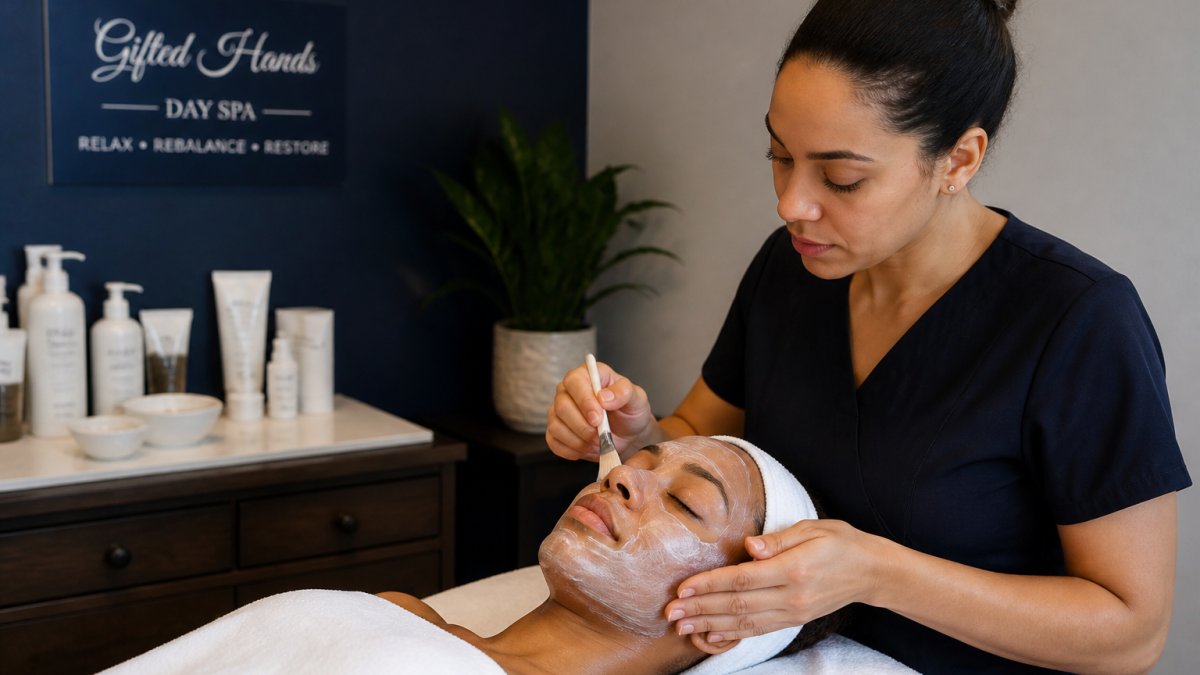
Oily and acne-prone skin benefits from more frequent facials. These skin types accumulate excess sebum and are prone to congestion and breakouts. Many estheticians recommend a professional facial every three to four weeks for oily or acne-prone skin.
More frequent treatments help control oil production and prevent buildup that leads to congestion. Deep-cleansing facials with extractions are particularly helpful for this skin type. Between appointments, consistent at-home skin care with appropriate products is equally important.
If you struggle with breakouts, ask your esthetician about gentle exfoliation options. Some acne treatments can irritate skin if overused, so your skin-care professional will customize the approach to avoid making breakouts worse.
Dry and sensitive skin
Dry and sensitive skin typically requires less frequent facials and gentler treatments. Many people with dry skin do well with a professional facial every five to eight weeks. This longer interval allows your skin to maintain its natural moisture barrier between treatments.
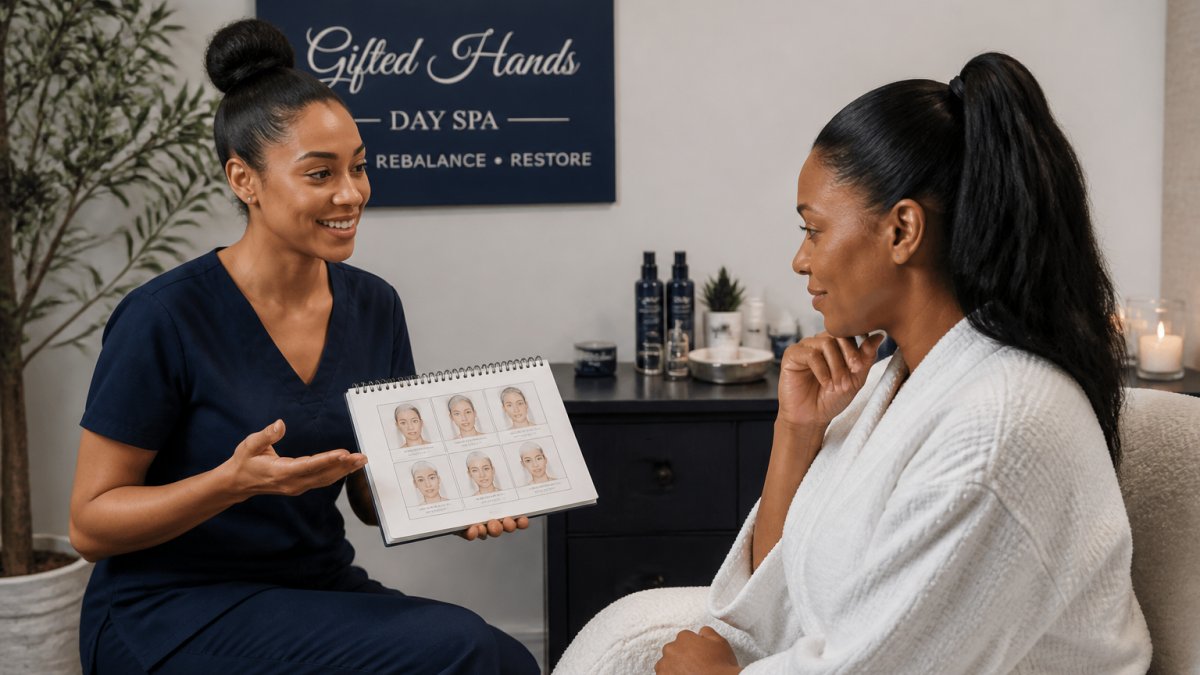
Sensitive skin can react negatively to aggressive exfoliation or harsh ingredients. When you book a facial for sensitive skin, communicate your concerns clearly to your esthetician. They should perform a skin assessment and ask about previous reactions before beginning treatment.
Hydrating facials work best for dry skin. These treatments focus on delivering moisture and nourishment rather than deep cleansing. Your esthetician may recommend specific serums or masks designed to calm and hydrate rather than strip your skin.
Balanced and healthy skin
Balanced skin that's neither oily nor dry typically thrives with a professional facial every four to six weeks. This is the standard recommendation for most people with generally healthy skin.
Even balanced skin benefits from regular professional treatments. Your esthetician can address specific concerns like fine lines, dullness, or texture irregularities with targeted treatments. Consistency is more important than intensity for this skin type.
How Often Should You Get a Facial for Sensitive Skin
Sensitive skin requires a thoughtful approach to professional facial frequency. If you have reactive skin, getting a professional facial too often can trigger irritation, redness, or breakouts. Most estheticians recommend spacing facials four to eight weeks apart for sensitive skin.
The interval depends on how your skin responds to treatments. Some people with sensitive skin tolerate facials every four weeks without problems. Others need six to eight weeks between appointments to avoid irritation.
Before booking your next facial, consider how your skin reacted to your last treatment. Did you experience redness or sensitivity that took several days to resolve? If yes, extend your interval to six or eight weeks.
Always discuss your sensitivity concerns with your esthetician. They can recommend gentler treatment options, skip certain steps, or adjust product choices to minimize irritation. A customized treatment plan works better than a standard facial for sensitive skin.
How Long to Wait Between Facials for Best Results
The time you wait between facials directly affects your results. Too frequent appointments can over-treat your skin, while too long between visits means you lose the benefits of your last treatment.
Recovery time and treatment intensity
The intensity of your facial treatment affects how long you should wait before your next appointment. A gentle hydrating facial allows shorter intervals between treatments. A deep-cleansing facial with extractions or a chemical peel requires longer recovery time.
Some facial treatments cause temporary redness, sensitivity, or slight peeling for 24 to 48 hours after your appointment. This is normal and expected. Your skin needs time to recover and show the full benefits of the treatment.
Ask your esthetician about recovery expectations for your specific facial type. If you have a sensitive reaction, waiting longer between appointments protects your skin barrier and prevents cumulative irritation.
When to avoid or postpone a facial
Certain situations call for postponing your scheduled facial. If your skin is severely irritated, sunburned, or experiencing an active breakout, skip your appointment and reschedule for a week or two later. Treating compromised skin can make problems worse.
Avoid scheduling facials during times of high stress or hormonal changes if your skin tends to react. Some people find their skin is more sensitive during specific points in their cycle. Plan your appointments when your skin is typically calm and stable.
If you're taking medications that increase skin sensitivity, discuss timing with your dermatologist and esthetician. Certain acne medications or retinoids can make skin more reactive to professional treatments.
Facial Aftercare and Maintenance Between Appointments
Your at-home skin care routine between professional facials determines whether you maintain your results. Most estheticians recommend a consistent routine using products suited to your skin type.
After a professional facial, your skin is more receptive to products. This is the ideal time to introduce or upgrade your at-home treatments. Your esthetician can recommend specific serums, moisturizers, or treatments that complement your professional facial.
Avoid harsh scrubs or strong actives for 24 to 48 hours after your treatment. Your skin needs time to recover. Once recovery is complete, resume your normal routine and any targeted treatments your esthetician recommended.
Consistency matters more than complexity. A simple routine you follow every day beats an elaborate routine you skip. Cleanse gently, apply targeted treatments for your concerns, and moisturize. Sunscreen during the day protects your skin between appointments.
Getting a Professional Facial Before an Event
Planning a professional facial before a special event requires timing. Schedule your facial three to seven days before the event. This timing allows any redness to fade while your skin still glows from the treatment.
Avoid scheduling a facial the day before or the day of your event. Even gentle facials can cause slight redness or sensitivity.
If you're prone to sensitivity, schedule your facial even earlier, up to 10 days before your event. This gives your skin plenty of time to settle while you still benefit from the glow and improved texture.
Communicate with your esthetician that you have an event coming up. They can choose gentler techniques and avoid treatments that might cause redness or peeling. A customized pre-event facial focuses on enhancing your natural glow rather than deep treatment.
Choosing a Qualified Esthetician for Your Facial
Your esthetician's training, credentials, and approach directly affect your results and safety.
Verify licensing and credentials. Most states require estheticians to complete 600-1,200 hours of formal training (requirements vary by state) and pass a licensing exam before practicing.
Assess hygiene and safety practices. During your first visit, observe whether the esthetician:
- Uses single-use applicators, spatulas, or extracts tools from a sanitizer between clients
- Washes hands before touching your face
- Uses clean linens and pillowcases for each client
- Asks about allergies, medications, and recent skin procedures before starting
- Explains what products they're using and why
These practices prevent cross-contamination and infection. If you notice reused applicators, unwashed hands, or a provider who skips the consultation, leave and report the facility to your state's licensing board.
Expect a thorough skin assessment. A qualified esthetician spends 10-15 minutes on your first appointment asking detailed questions: What is your skin type? Do you have sensitivities or allergies?
Ask about their approach to your specific concerns. If you have acne, rosacea, eczema, or another skin condition, your esthetician should explain how they'll customize the treatment.
Check for continuing education. Skin care science evolves.
Frequently Asked Questions
How often should you get a professional facial?
Most skin types benefit from a professional facial every four to six weeks. This interval aligns with your skin's natural cell turnover cycle, which takes about 28 days. However, the ideal frequency depends on your skin type, specific concerns, and the intensity of the treatment. Oily or acne-prone skin may need facials every three to four weeks, while dry or sensitive skin might do better with one every six to eight weeks. A qualified esthetician can assess your skin during a consultation and recommend a personalized schedule.
What should I do after a professional facial?
Proper facial aftercare protects your skin's new surface and extends treatment results. Avoid makeup, intense exercise, and direct sun exposure for 24 hours. Use only gentle, fragrance-free cleansers and moisturizers for at least three days. Stay hydrated and apply broad-spectrum sunscreen daily. Some facials cause mild redness or sensitivity; this typically fades within a few hours to a day. Avoid chemical products, exfoliants, and retinoids for 48 hours unless your esthetician advises otherwise. If irritation persists beyond 24 hours, contact your skincare professional.
How often should you get a facial if you have sensitive skin?
Sensitive skin typically tolerates facials every six to eight weeks rather than the standard four to six weeks. Gentler treatments with minimal extractions and soothing ingredients work best. Schedule a consultation before your first appointment to discuss past reactions and any active irritation. Your esthetician may recommend a customized treatment plan using calming products like centella asiatica or hyaluronic acid. Spacing facials further apart allows your skin barrier to fully recover between treatments. Consistent at-home skincare with products suited to sensitive skin also reduces the need for frequent professional treatments.
Should you get a facial before a special event?
Yes, but timing matters. Schedule your facial at least three to five days before the event, not the day before. This allows any minor redness or sensitivity to fade while your skin benefits from the treatment's brightening and hydrating effects. If you have sensitive skin or are trying a new facial type, allow five to seven days. Avoid intense treatments like deep chemical peels immediately before events; opt for gentler options that refresh without significant recovery time. Communicate your event date to your esthetician so they can recommend the best treatment type and intensity for your timeline.
Getting a professional facial on the right schedule transforms your skin. The four-to-six-week interval works for most people, but your skin type, concerns, and individual response matter. Work with a qualified esthetician to determine the frequency that keeps your skin looking and feeling its best. At Gifted Hands Day Spa, we help you create a customized facial schedule that addresses your specific skin goals and ensures you see lasting results from each treatment.