 listicle
Benefits of Slow-Paced Wellness Rituals
Table of Contents
- Why Slow-Paced Wellness Rituals Matter for Your Nervous System
- Stress Reduction and Emotional Resilience
- Better Sleep and Sustained Energy Through Daily Self-Care Rituals
- Physical Health Benefits: From Tension Relief to Immune Function
- Relaxation Techniques That Build Mental Clarity and Focus
- Creating an Evening Wellness Routine That Sticks
- Building Sustainable Rituals: What Actually Works
- Conclusion
- Frequently Asked Questions
Last Updated: October 21, 2026
Why Slow-Paced Wellness Rituals Matter for Your Nervous System
Slow-paced wellness rituals are intentional, unhurried practices designed to calm your nervous system and restore balance to your mind and body. Clients who commit to regular, deliberate self-care routines often experience shifts in how they manage stress and approach their daily lives. These rituals aren't about cramming more wellness into your schedule, they're about doing less, but doing it with full presence and intention.
Your nervous system operates in two primary modes: fight-or-flight (sympathetic) and rest-and-digest (parasympathetic). Most of us spend our days in sympathetic overdrive, responding to emails, meetings, and constant demands. Slow-paced rituals deliberately activate your parasympathetic system, signaling to your body that it's safe to relax. This shift doesn't happen with rushed activity. It requires time, stillness, and genuine attention.
The reason slow-paced rituals work comes down to biology. When you move deliberately, whether through gentle massage, slow stretching, or intentional breathing, your heart rate naturally decreases, your muscles release tension, and your mind quiets. This isn't placebo. It's a measurable physiological response that compounds over time when practiced consistently.
Stress Reduction and Emotional Resilience
Chronic stress rewires how your nervous system responds to threat. Over months or years of desk work, deadline pressure, and constant connectivity, your baseline stress level creeps higher. Your shoulders tense. Sleep becomes restless. Small frustrations feel overwhelming. Slow-paced wellness rituals interrupt this pattern by giving your nervous system regular opportunities to downshift and reset.
When you engage in slow, intentional movement or therapeutic touch, your body produces lower cortisol levels and higher levels of calming neurotransmitters (ncbi.nlm.nih.gov). This isn't a temporary feeling, regular practice actually changes your nervous system's default state. You become someone who recovers from stress faster, rather than someone who stays stuck in it.
Emotional resilience, your ability to bounce back from difficulty, depends partly on a nervous system that can shift between activation and calm. Many people who experience chronic neck and shoulder tension from desk work find that their emotional resilience can improve alongside their physical tension relief. When your body feels safer, your mind follows.
Better Sleep and Sustained Energy Through Daily Self-Care Rituals
Sleep quality suffers when your nervous system stays in a heightened state throughout the day. If you're tense, reactive, and wired by evening, your body struggles to transition into the deep rest sleep requires. Daily self-care rituals create a physiological pathway from daytime activation to nighttime calm.
The most effective approach is layered: gentle movement or massage during the day helps release accumulated tension, while an evening wellness routine signals to your body that the day is ending. This rhythm, activity with recovery built in, stabilizes your energy across the full 24-hour cycle rather than leaving you crashed by 3 p.m. and wired at midnight.
Many professionals in high-stress roles find that their energy can become more stable and predictable once they establish a consistent ritual practice. Instead of dramatic energy crashes followed by desperate caffeine fixes, their energy stays relatively steady because they're not depleting their nervous system reserves.
Physical Health Benefits: From Tension Relief to Immune Function
Slow-paced wellness rituals affect physical health through a few well-documented pathways, and it helps to separate what research supports from what is reasonable but unproven. The strongest evidence sits in the areas of muscular tension, blood flow, and perceived pain.
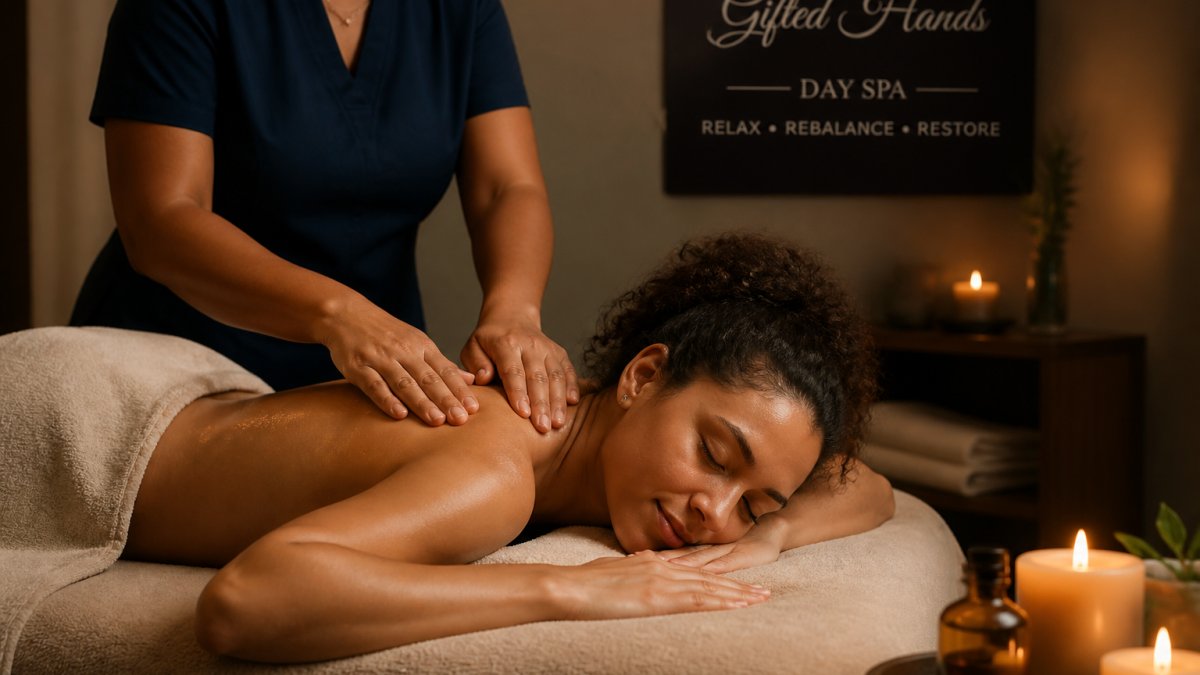
Tension relief and circulation. When you receive therapeutic massage or move through gentle, deliberate stretching, tight muscles lengthen and restricted joints regain range. Pressure and movement increase local blood flow to areas that were constricted, which is why many office workers describe neck and shoulder relief within a single session. The American Massage Therapy Association notes that massage is commonly used for musculoskeletal tension, though individual responses vary.
Pain management. For people managing chronic pain conditions such as arthritis or fibromyalgia, slow-paced movement and therapeutic touch are often better tolerated than aggressive exercise. Gentle range-of-motion work, warm-water movement, and professional massage can reduce flare-ups for some people, but the response is highly individual. The key is matching intensity to what your body can handle on a given day, which is precisely why slow-paced rituals outperform high-intensity routines for many people with persistent pain.
What the evidence does and does not show. Research supports relaxation-based practices for reducing perceived stress and improving sleep quality, and massage for short-term musculoskeletal relief. Slow-paced rituals are not a treatment for illness, and they should complement, not replace, care from a licensed healthcare provider.
A realistic physical-health routine. You do not need a spa membership to get these benefits. A 10-minute evening stretch, a 15-minute warm bath, or a short self-massage with a tennis ball against a wall can deliver meaningful tension relief at no cost. For readers with mobility limitations, chair-based stretching and seated breathing practices offer the same nervous-system downshift without requiring floor work. Older adults may prefer shorter, more frequent sessions over one long one.
Relaxation Techniques That Build Mental Clarity and Focus
The counterintuitive part: slowing down actually sharpens your focus. When your nervous system is calm, your prefrontal cortex, the part of your brain responsible for decision-making, creativity, and complex thinking, functions optimally (Stress signalling pathways that impair prefrontal cortex structure and function). When you're stressed and reactive, that same region is partially offline, and you're running mostly on survival instinct.
Relaxation techniques like intentional breathing, guided body awareness, and therapeutic touch create the nervous system state where mental clarity emerges naturally. You don't have to force focus or willpower your way to productivity. Your brain simply works better when it's not in threat-response mode.
Many high-performing professionals find that their best ideas can come during or after slow-paced rituals. The mental clarity isn't separate from the relaxation, it's a direct result of it. Your mind settles, and suddenly you see solutions that were invisible when you were tense and reactive.
Creating an Evening Wellness Routine That Sticks
An evening wellness routine is the most practical application of slow-paced rituals because it directly addresses the transition from day to night. The challenge most people face isn't understanding that relaxation is good, it's actually building a routine they'll maintain consistently. Consistency emerges not from willpower alone but from the deliberate structure required to start a wellness ritual that anchors your evening in calm.
Effective evening routines share common elements: they start 30-60 minutes before bed, they involve minimal screen time, and they include at least one element of intentional touch or movement. This might be a warm bath, gentle stretching, self-massage, or professional therapeutic massage. The specific activity matters less than the consistency and the quality of attention you bring to it.
The most common mistake is trying to add too much. People design elaborate routines and abandon them after two weeks. Instead, start with one element, perhaps 15 minutes of gentle stretching or a short massage session, and practice that consistently for 3-4 weeks before adding anything else.
Building Sustainable Rituals: What Actually Works
Most people abandon a new ritual not because they lack motivation but because they never defined the mechanics: when it happens, how long it lasts, what cue triggers it, and how they will know it is working. Habit research consistently finds that consistency matters more than intensity, so the goal is a ritual small enough to repeat on your worst day.
Define the cue, duration, and frequency. A sustainable ritual has three parts. The cue is the existing habit it attaches to, such as pouring your morning coffee, brushing your teeth, or closing your laptop at the end of the workday.
Use habit stacking. Attach the new ritual to something you already do without thinking. For example: after you brush your teeth at night, do five minutes of gentle stretching; after you pour your morning coffee, take ten slow breaths before opening email. This removes the need to remember the ritual and reduces the friction that causes abandonment.
Adapt the routine to your schedule and ability level. Busy readers can use a 3-minute breathing practice at their desk. Beginners can start with one element, such as evening stretching, for three to four weeks before adding anything else. Older adults and people with mobility limitations can substitute chair-based movement or seated body awareness.
Measure outcomes simply. You do not need a wearable to know whether a ritual is helping. Once a week, rate your perceived stress, sleep quality, mood, and energy on a simple 1-to-5 scale, and note how many days you completed the ritual. Look for trends over four to six weeks rather than day-to-day fluctuations.
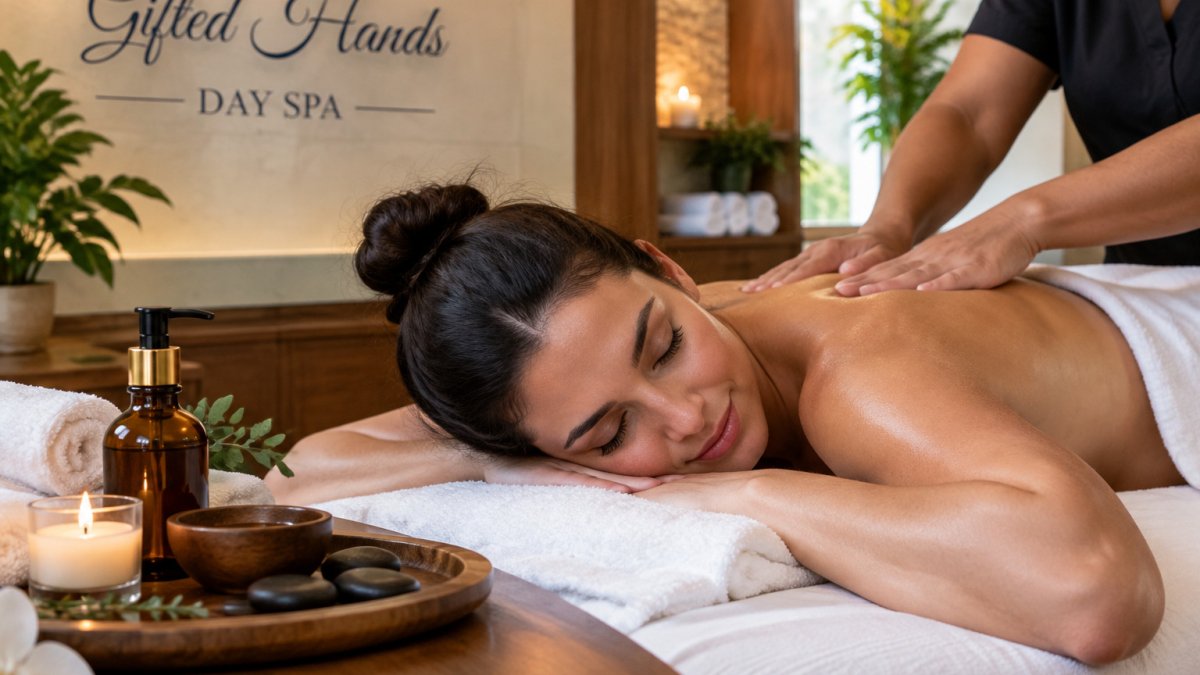
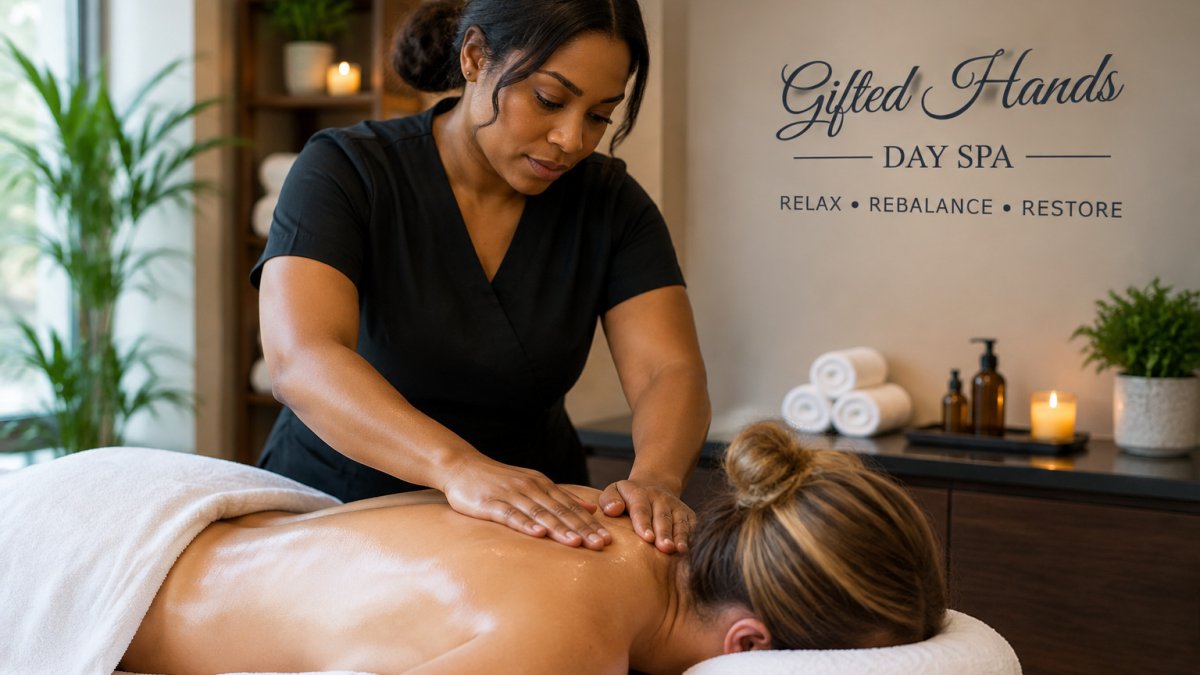
Combine professional care with home practice. Many people find that a therapeutic massage or spa treatment can create momentum and accountability, while simple daily practices between sessions can help maintain the benefits. The professional session is the anchor; the home ritual is what makes it stick.
Conclusion
Slow-paced wellness rituals aren't a luxury or a trend, they're a practical tool for managing the physical and mental demands of modern life. Whether you're dealing with chronic tension from desk work, managing a chronic pain condition, or simply trying to sleep better and think more clearly, these rituals address the root: a nervous system stuck in overdrive.
The most effective approach combines professional therapeutic care with consistent daily practice. At Gifted Hands Day Spa, our certified massage therapists and estheticians specialize in creating personalized slow-paced experiences, from therapeutic massage to infrared sauna therapy to customized facials, designed to activate your parasympathetic nervous system and help you reclaim balance. We're here to support your wellness journey with treatments tailored to your specific needs.
Book Now and experience how intentional, slow-paced care can transform your physical health, emotional resilience, and daily vitality.
| Ritual Type | Best Time | Duration | Key Benefit |
|---|---|---|---|
| Therapeutic Massage | Varies | Varies | Deep tension release, nervous system reset |
| Evening Stretching | Daily before bed | 10-15 minutes | Improved sleep quality, muscle release |
| Intentional Breathing | Anytime, especially morning | 5-10 minutes | Immediate calm, mental clarity |
| Warm Bath or Sauna | Evening | 15-30 minutes | Muscle relaxation, parasympathetic activation |
| Guided Body Awareness | Morning or midday | 10-20 minutes | Stress awareness, present-moment focus |
Frequently Asked Questions
What are the main benefits of slow-paced wellness rituals?
Slow-paced wellness rituals reduce stress and anxiety by activating your parasympathetic nervous system, the part of your body that promotes relaxation. They improve sleep quality, boost emotional resilience, and enhance focus and creativity. Regular practice also supports physical health by easing muscle tension. The key is consistency: rituals practiced daily or several times weekly produce the most noticeable results.
How long does it take to feel the effects of a daily self-care ritual?
You may notice immediate calming effects within a single session, reduced heart rate, relaxed shoulders, or a clearer mind. However, sustained benefits like better sleep, lower baseline stress, and improved emotional resilience typically emerge after 2-4 weeks of consistent practice. The longer you maintain a ritual, the more your nervous system adapts, making relaxation easier to access over time.
Can relaxation techniques actually help with chronic tension from desk work?
Yes. Chronic neck and shoulder tension from desk work often stems from prolonged muscle contraction and stress activation. Slow-paced rituals like therapeutic massage, mindful movement, and intentional breathing interrupt this cycle by releasing muscle tightness and signaling safety to your nervous system. While a single session provides temporary relief, combining regular massage therapy with daily relaxation practices addresses both the physical knots and the stress patterns that recreate tension.
What's the difference between a wellness ritual and just relaxing?
A ritual is intentional, structured, and repeated with purpose, you show up at a specific time, follow a sequence, and bring full awareness to the experience. Casual relaxation is passive and unscheduled. Rituals anchor your nervous system in predictability, which deepens the relaxation response. They also build a habit loop that makes stress management automatic, whereas passive relaxation requires willpower each time.