 how-to
How to Calm Your Nervous System Naturally
Table of Contents
- How to Calm Your Nervous System Naturally: A Step-by-Step Approach
- Step 1: Try Breathing Exercises for Stress Relief
- Step 2: Use Grounding Techniques for Anxiety in the Moment
- Step 3: Learn How to Calm Down Fast When Stress Spikes
- Step 4: Build a Daily Nervous System Reset Into Your Routine
- Common Mistakes That Keep Your Nervous System Stuck in Stress
- When to Seek Professional Help for Ongoing Stress
- Conclusion: Small Daily Habits That Calm Your Nervous System Naturally
- Frequently Asked Questions
Last Updated: October 12, 2026
How to Calm Your Nervous System Naturally: A Step-by-Step Approach
Your nervous system does not need fixing. It needs signals that you are safe. That single idea is the core of how to calm nervous system naturally, and it is where most advice goes wrong.
Nervous system regulation is the process of moving your body out of a stress response and back into a calm, balanced state.
Below, we walk through four steps you can start today, plus the mistakes that keep people stuck.
Step 1: Try Breathing Exercises for Stress Relief
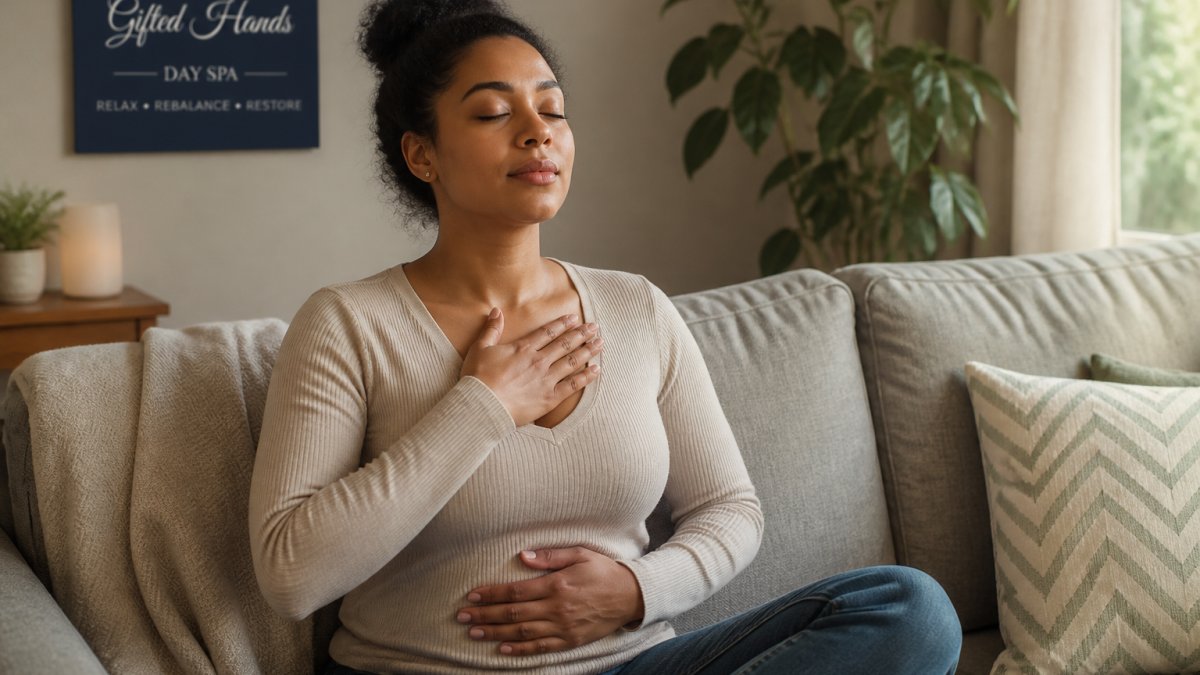
Breathing exercises for stress work because breath is the one part of your nervous system you control on purpose. Slow breathing with a longer exhale tells your body the danger has passed. Try this for two minutes and notice the shift.
The Extended Exhale Technique
The extended exhale is the fastest accessible tool for calming down. Inhale through your nose for a count of four. Exhale slowly through your mouth for a count of six to eight.
Why it works: a longer exhale gently activates the vagus nerve, which supports a calm state. You may notice a sigh or a yawn as tension releases. That is a good sign, not a problem.
- Sit or lie down with your shoulders relaxed
- Breathe in through your nose for a four-count inhale
- Exhale through your mouth for six to eight counts
Step 2: Use Grounding Techniques for Anxiety in the Moment
Grounding techniques for anxiety pull your attention out of racing thoughts and into your physical surroundings. The goal is simple: give your brain concrete, real information through your senses.
The 5-4-3-2-1 method is the easiest to remember:
- 5 things you can see around you right now
- 4 things you can physically feel, like your feet on the floor
- 3 things you can hear
Say each one out loud or in your head. This takes about a minute and works almost anywhere. A common mistake is rushing through it. Slow down and actually notice each item.
Step 3: Learn How to Calm Down Fast When Stress Spikes
Knowing how to calm down fast matters most when stress hits suddenly. The trick is to have one move ready before you need it. Pick a single technique and practice it when you are already calm, so your body recognizes it under pressure.
Try these quick options:
- Physiological sigh: two short inhales through the nose, then one long exhale through the mouth. Repeat three times.
- Cold water: splash cool water on your face or hold a cold object to your wrists.
- Feet on the floor: press both feet firmly into the ground and notice the pressure.
- Shoulder drop: raise your shoulders to your ears, then let them fall fully.
A common mistake is trying five techniques at once. Pick one. Consistency beats variety here.
Step 4: Build a Daily Nervous System Reset Into Your Routine
A daily nervous system reset is a short, repeatable practice that tells your body it is safe. Done consistently, it lowers your baseline stress level instead of just handling spikes. Think minutes, not hours, and think in three separate plans, because an acute stress spike, an ordinary day, and bedtime each need a different approach. Most top-ranking guides present techniques as interchangeable; they are not.
Plan A: The 60-Second Acute Stress Spike Plan
Use this when your heart is pounding, your jaw is tight, or your thoughts are racing. Do the steps in order and stop when you feel the shift.
- Physiological sigh (0:00-0:20). Two short inhales through the nose, then one long exhale through the mouth. Repeat three times. This is the fastest accessible reset because the double inhale re-inflates the air sacs in your lungs and the long exhale slows your heart rate.
- Feet and chair (0:20-0:40). Press both feet into the floor and notice the pressure. Let your shoulders drop away from your ears. Physical contact with a stable surface is a safety signal.
- Name one thing you can see (0:40-1:00). Say it silently or out loud. This interrupts the thought spiral without requiring a full grounding exercise.
If breath-focused work makes you feel dizzy, lightheaded, or more anxious, skip the sigh and go straight to feet-and-chair plus the cold-water option below.
Plan B: The 10-Minute Daily Reset
Pick a consistent time, right after your morning coffee, before you start work, or after you get home. Consistency matters more than duration. A common pattern practitioners see is that people who practice when calm respond faster under pressure, because the body already recognizes the cue.
- Minutes 1-3: Extended exhale breathing. Inhale through the nose for a count of four, exhale through the mouth for six to eight. Ten rounds.
- Minutes 4-6: Gentle movement. A slow walk, neck and shoulder rolls, or a few standing forward folds. Movement helps discharge stored tension rather than just masking it.
- Minutes 7-9: Grounding pause. Use the 5-4-3-2-1 method or simply notice five sounds around you.
Plan C: The Bedtime Wind-Down
Sleep is where nervous system regulation is either reinforced or undone. A steady sleep and wake time, even on weekends, does more for your baseline than any single breathing technique.
- Dim lights and reduce screens for the last hour before bed. Bright light late in the evening delays the melatonin signal your body uses to start winding down.
- Repeat the extended exhale in bed: inhale four counts, exhale six to eight, for about five minutes. If your mind wanders, return to the count without judging it.
- Keep the room cool and dark. If you wake in the night, repeat the breathing rather than checking your phone.
Troubleshooting the Routine
- "I do not have time." Do Plan A only. Sixty seconds counts.
- "Breathing makes me more anxious." Focus on the exhale only, or switch to grounding and movement.
- "I forget." Attach the practice to something you already do daily, brushing your teeth, parking the car, or making coffee.
How to Track Progress Without a Single Number
There is no one diagnostic metric for a calmer nervous system. Instead, track a few practical measures over two to four weeks: how often you notice tension in your jaw, neck, or shoulders; how quickly you recover after a stressor; how well you sleep; and how frequently you feel anxious.
| Situation | Best Technique | How Long |
|---|---|---|
| Sudden stress spike | Physiological sigh, then feet on floor | 60 seconds |
| Racing thoughts | 5-4-3-2-1 grounding | 1-2 minutes |
| Trouble falling asleep | Extended exhale breathing in bed | 5 minutes |
| Ongoing daily tension | Movement, plus hands-on therapies such as massage | 10-60 minutes |
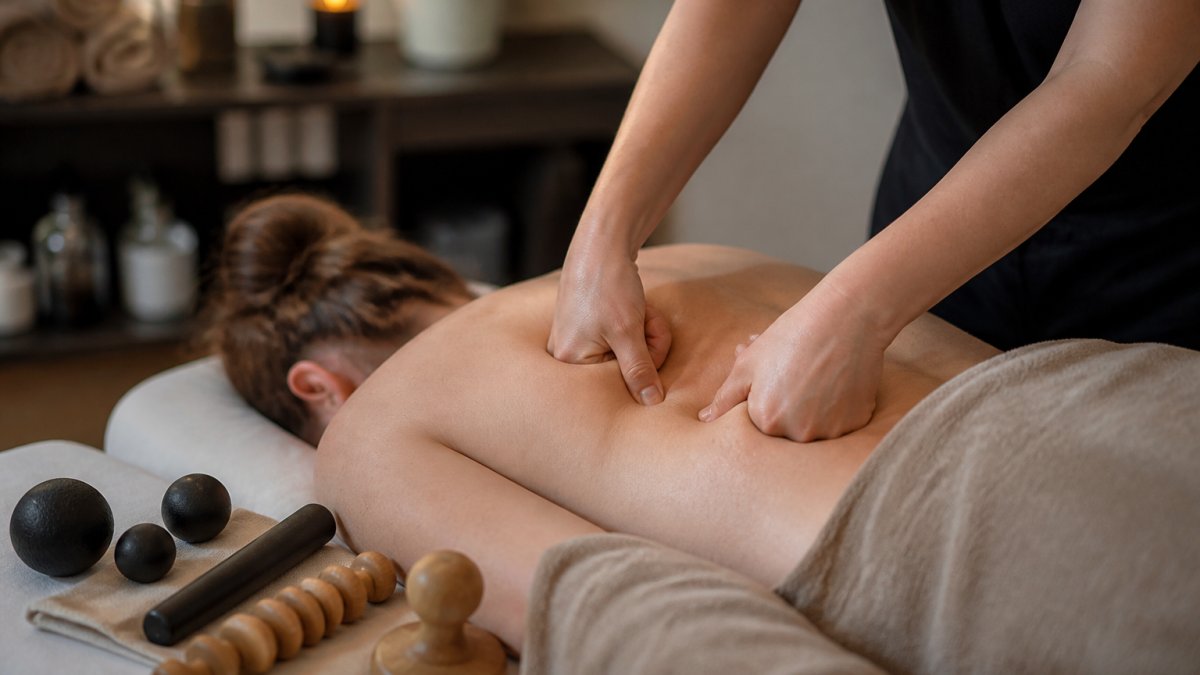
Many people find that hands-on therapies, such as massage, support this routine by releasing physical tension the body holds onto. At Gifted Hands Day Spa, our certified massage therapists work with clients on exactly this kind of ongoing tension.
Common Mistakes That Keep Your Nervous System Stuck in Stress
The biggest mistake is treating calming techniques as a rescue tool instead of a daily habit. If you only breathe slowly during a crisis, your body never learns a calmer baseline. Practice when you are calm, and the skills show up when you need them.
Other common errors:
- Holding your breath during stress instead of lengthening the exhale
- Skipping sleep basics, which makes every technique harder to sustain
- Expecting instant results from a single session
When to Seek Professional Help for Ongoing Stress
Self-care techniques support everyday stress, but they are not a substitute for medical care. This is the line most articles blur: calming practices can reduce the intensity of a stress response, but they do not diagnose or treat an anxiety disorder, depression, or a medical condition. If your symptoms are persistent, severe, or getting worse, the right next step is a professional, not another breathing exercise.
Self-Care Versus Treatment
Self-care is what you do on your own to support a baseline: breathing, movement, sleep habits, grounding, and rest. Treatment is what a licensed professional provides: assessment, diagnosis, therapy, medication, or a combination. The two work best together. Self-care can make treatment more effective; it cannot replace it.
Signs You Should Talk to a Professional
Seek support from a healthcare provider or licensed mental health professional if you notice any of the following:
- Persistent anxiety or low mood lasting more than a few weeks
- Panic attacks, or avoidance that keeps you from leaving the house or doing daily tasks
- Sleep problems that do not improve with routine changes
Physical symptoms deserve their own attention. Chest pain, shortness of breath, fainting, or numbness can signal a medical emergency and should be evaluated urgently rather than managed with breathing exercises.
What to Expect From Evidence-Based Practices
Not every calming technique has the same level of research behind it. Slow, extended-exhale breathing, mindfulness-based practices, physical activity, and good sleep hygiene have the strongest and most consistent support. Others, such as cold exposure, certain vagus nerve gadgets, and some grounding products, have promising but thinner evidence, and results vary widely from person to person. That does not make them useless; it means you should treat them as experiments, not guarantees.
Supplements, Safety, and Interactions
Some guides recommend supplements such as magnesium, L-theanine, ashwagandha, or herbal teas for calm. A few points matter more than the marketing:
- Supplements are regulated differently than medications in the United States, so potency and purity can vary between brands.
- Several can interact with prescription medications, for example, sedating herbs may compound the effects of anti-anxiety drugs, sleep aids, or blood thinners.
- Some are not appropriate during pregnancy, while breastfeeding, or before surgery.
Complementary Care Fits Alongside Treatment
For ongoing muscle tension and stress recovery, complementary care such as therapeutic massage can support your broader plan. It is not a treatment for anxiety or depression, and it does not replace therapy or medication. Our team at Gifted Hands Day Spa works alongside your healthcare routine, not in place of it.
Conclusion: Small Daily Habits That Calm Your Nervous System Naturally
Lasting calm rarely comes from one big change. It comes from small habits repeated often: a longer exhale, a grounding pause, a walk, a steady bedtime.
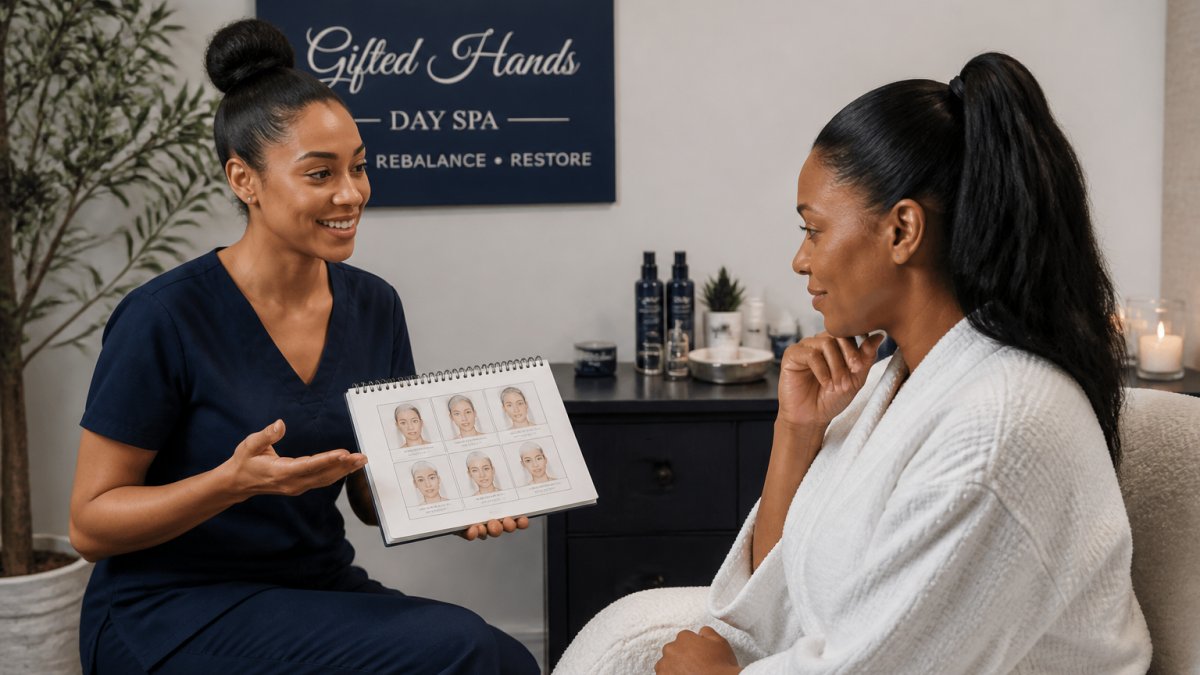
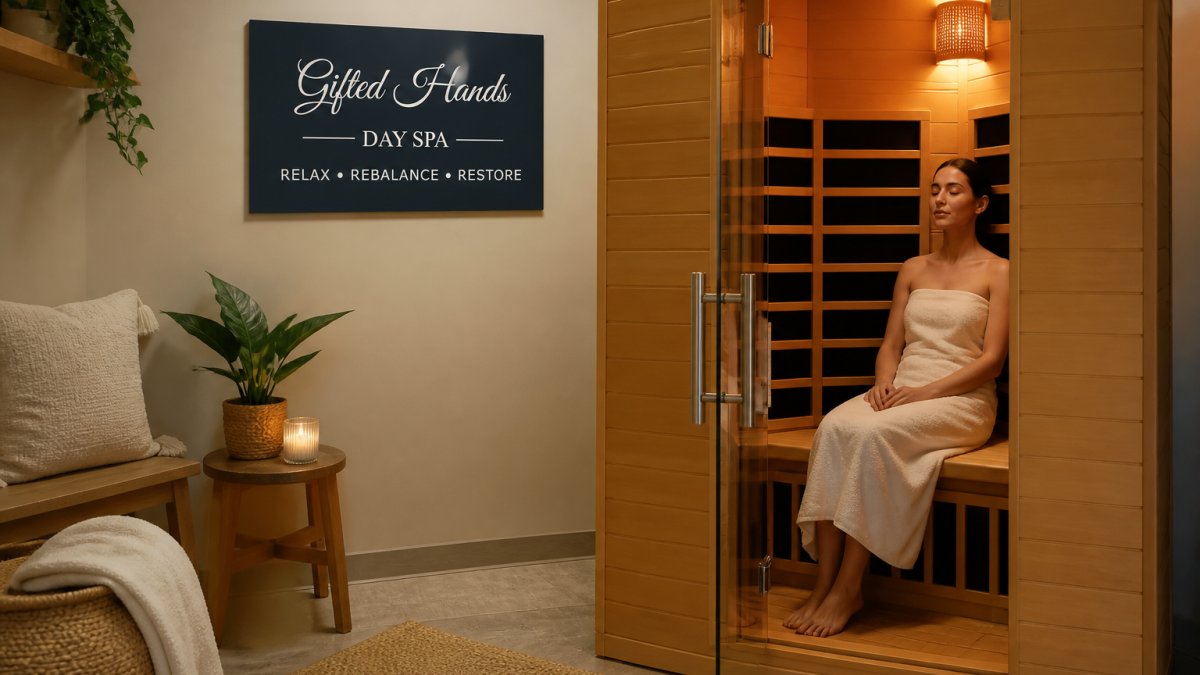
If physical tension keeps building no matter what you try, hands-on care can help. At Gifted Hands Day Spa, our certified massage therapists and estheticians offer therapeutic massage, infrared sauna therapy, and customized facials in a calm, intentional setting.
Book now with Gifted Hands Day Spa and give your body the reset it has been asking for.
Frequently Asked Questions
Can breathing exercises help calm the nervous system?
Yes. Slow breathing with a longer exhale activates the parasympathetic branch of the nervous system, which is responsible for rest and recovery. A simple pattern like a four-count inhale and a six-count exhale can shift you out of the stress response within a few minutes. Breathwork works best when practiced daily, not only during high-stress moments, because regular practice builds vagal tone over time.
How long does it take to calm your nervous system?
Quick techniques like deep breathing or grounding can produce a noticeable shift in one to five minutes. Building lasting nervous system regulation takes longer, often several weeks of consistent daily habits including sleep timing, movement, and relaxation practices. Think of it as a gradual process: short techniques handle acute stress, while daily routines strengthen your baseline resilience over time.
What are natural ways to calm your nervous system?
The most accessible options include slow breathing with an extended exhale, grounding techniques like the 5-4-3-2-1 method, meditation, yoga, massage, journaling, and regular physical activity. Sleep quality and evening routines matter too, since poor rest keeps the stress response activated. Reducing screen exposure before bed and adding calming rituals such as warm baths or gentle stretching also support recovery.
When should you seek professional help for ongoing stress or anxiety?
If stress or anxiety symptoms persist for weeks, interfere with sleep, work, or relationships, or feel unmanageable with self-care alone, it is time to talk to a licensed mental health professional or your primary care doctor. Warning signs include panic attacks, persistent low mood, or physical symptoms with no clear cause. Professional support is not a last resort; it is a practical step toward recovery.